
Clinical Research Associate: a demanding and people-oriented profession, as seen by Kevin Bertrand (EXEC ED. 2024)

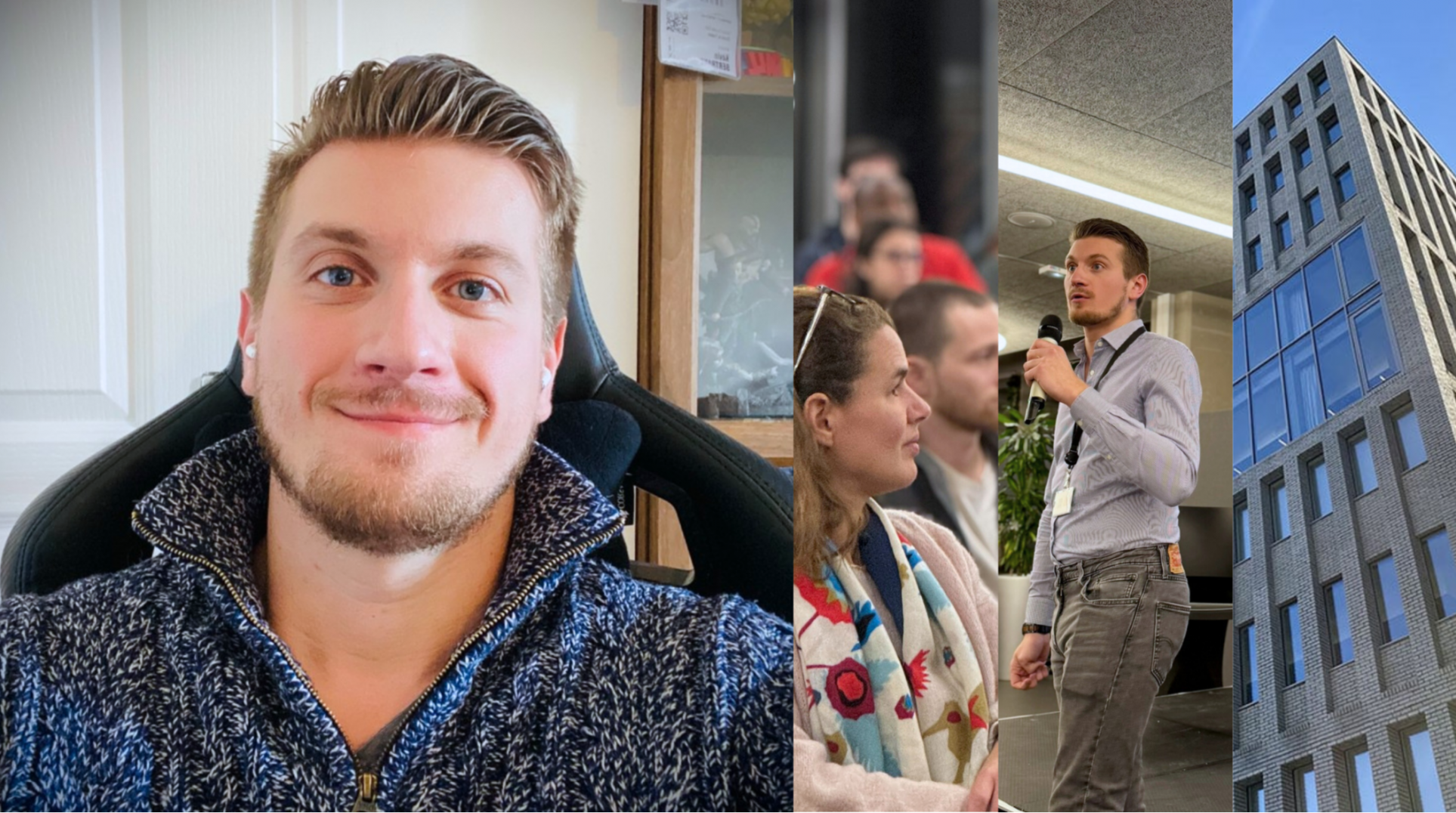
Kévin Bertrand's career path is one of successful retraining, guided by a search for meaning, scientific rigor, and a desire to make a tangible contribution to improving patient care. Now a Clinical Research Associate II at Syneos Health, in partnership with MSD, he works at the heart of clinical trials while sharing his expertise as a teacher at De Vinci Executive Education.
A career change driven by vocation
Before entering clinical research, Kévin worked in sales and medical representation, initially hoping to become a doctor. Although he did not pursue this path, he found a career in clinical research that allows him to have a direct impact on patients' health while remaining closely involved in the medical field.
In search of solid training, he naturally turned to De Vinci Executive Education, which enabled him to obtain a recognized certification.
“It's a training program that allows me to do what I love.”
He also highlights a key point for future graduates: a job placement rate of over 90%, a real asset for quickly entering the sector.
Career path and responsibilities
He joined Syneos Health as an intern during his studies and quickly progressed to the position of Clinical Research Associate II as part of the partnership with MSD.
His main responsibility: "To safeguard patient rights and patient data security. "
He was involved in the entire clinical trial lifecycle: monitoring and closing visits, tracking patient recruitment and retention, managing quality issues, supporting the Study Manager and local coordination, and creating tools to optimize document management.
His role combined regulatory requirements, human coordination, and a global vision of projects.
His daily work involves regular visits to hospitals to ensure that protocols and good clinical practices are being followed. He checks data quality, supports the research teams, and ensures that trials run smoothly.
It's a fast-paced job that requires organization, autonomy, and adaptability.
From graduate to teacher: passing on the knowledge
His commitment to training is such that he decided to get involved in a different way:
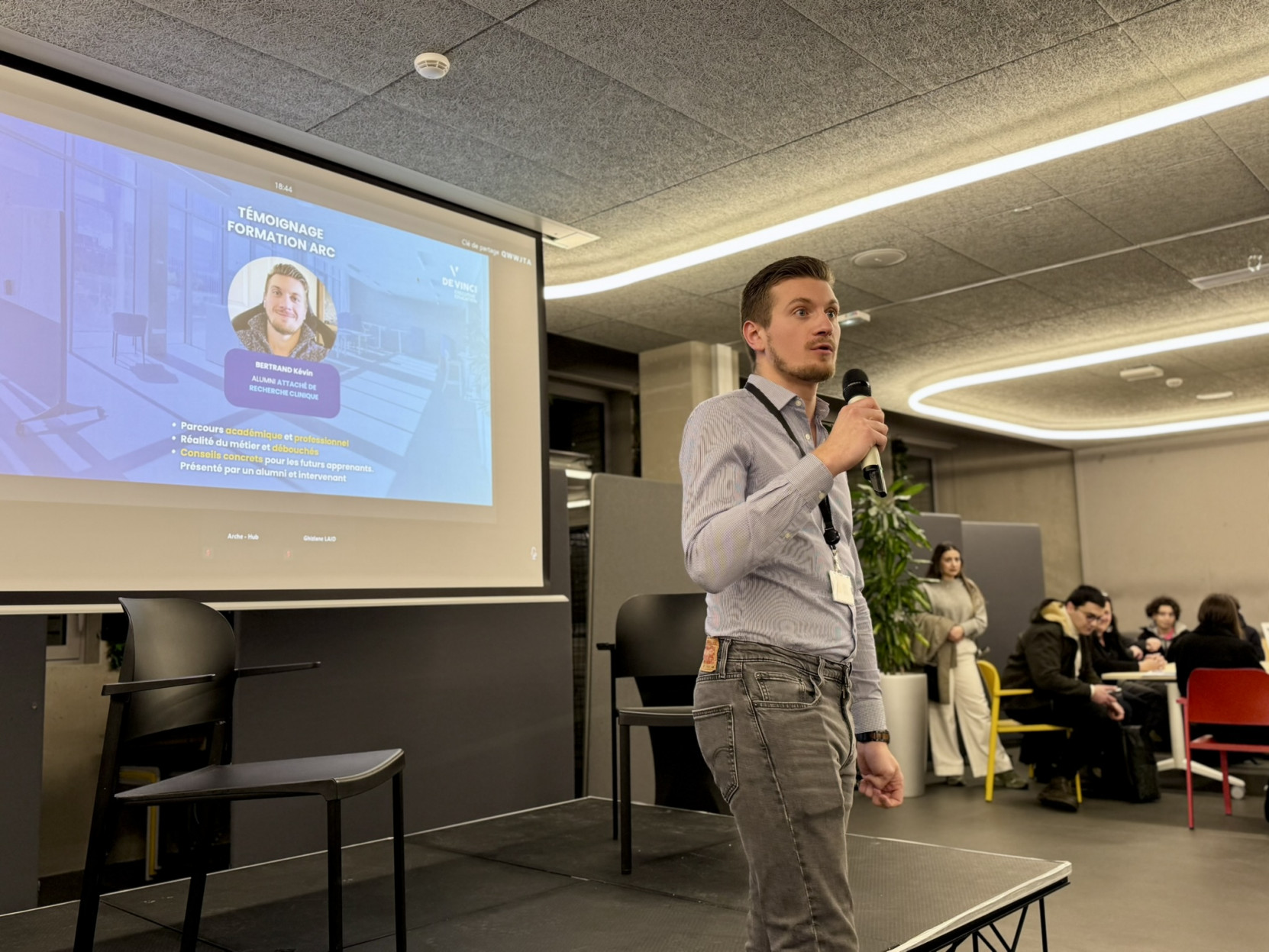
“I enjoyed it so much that I became a trainer for this course. It allows me to stay connected with people who are new to the field.”
He covers topics such as clinical trial monitoring, risk-based monitoring (RBM), investigation site file management (ISF), and the importance of communication, active listening, and conflict resolution. His dual experience—in the field and in teaching—enables him to give students a very concrete view of the profession.
He also points out that the program offers several start dates throughout the year (January, April, and October), making it easier for candidates who are changing careers to enroll.
A key network in a “small world”
Kévin emphasizes a major lever for success: networking.
“In ARC training, a network has been created with former students, educational directors, etc. It's a small world, everyone knows each other.”
According to him, most opportunities circulate informally:
“There's a huge off-market: 80% of job openings are found through word of mouth.”
He is very active and has developed an impressive network in a short time:
“I have over 1,000 contacts on LinkedIn that I made in less than a year. That's huge, especially since I was a nobody in clinical research a year ago.”
He has already recommended a dozen profiles and been able to exchange ideas with major players in the sector, proving that personal involvement makes all the difference!
His advice to future learners
In this environment, where doctors, hospital teams, and study promoters collaborate on a daily basis, maintaining a balance between scientific rigor and interpersonal skills is essential. For Kévin, certain qualities are essential: ethics, good communication, rigor, professionalism, and knowing how to remain human.
He has a clear message for those wishing to embark on this training: be prepared to give your time, be as available as possible, and don't hesitate to collaborate in order to get the most out of the learning experience.
Find all the information you need about certified healthcare training programs.
An Alumnus to follow!

Image gallery4
Comments0
Please log in to see or add a comment
Suggested Articles