

Neurodiversity in the Workplace with Sabrina Menasria (EMLV 2004): Behind Every Way of Functioning, There Are Talents to Be Uncovered


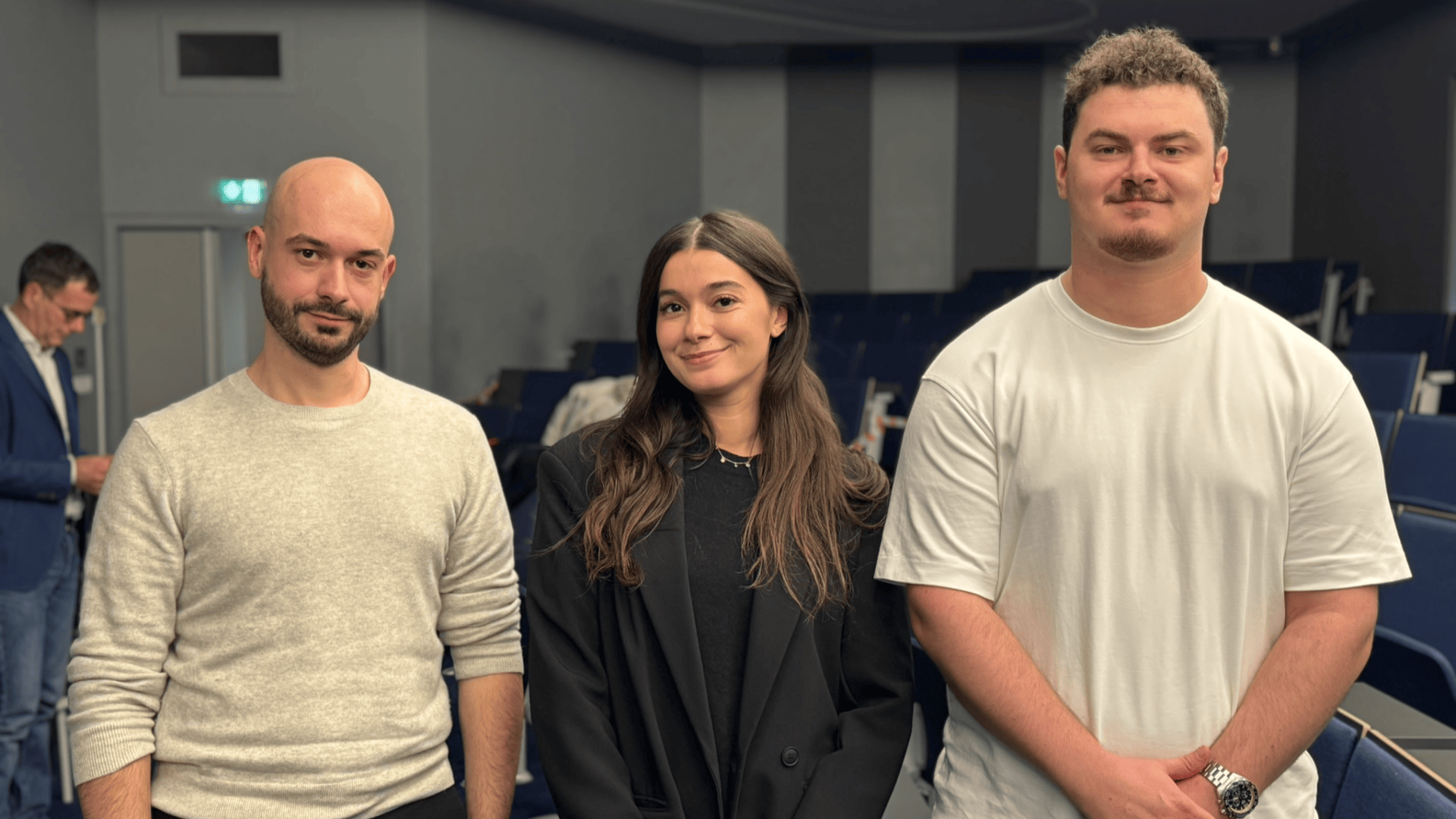
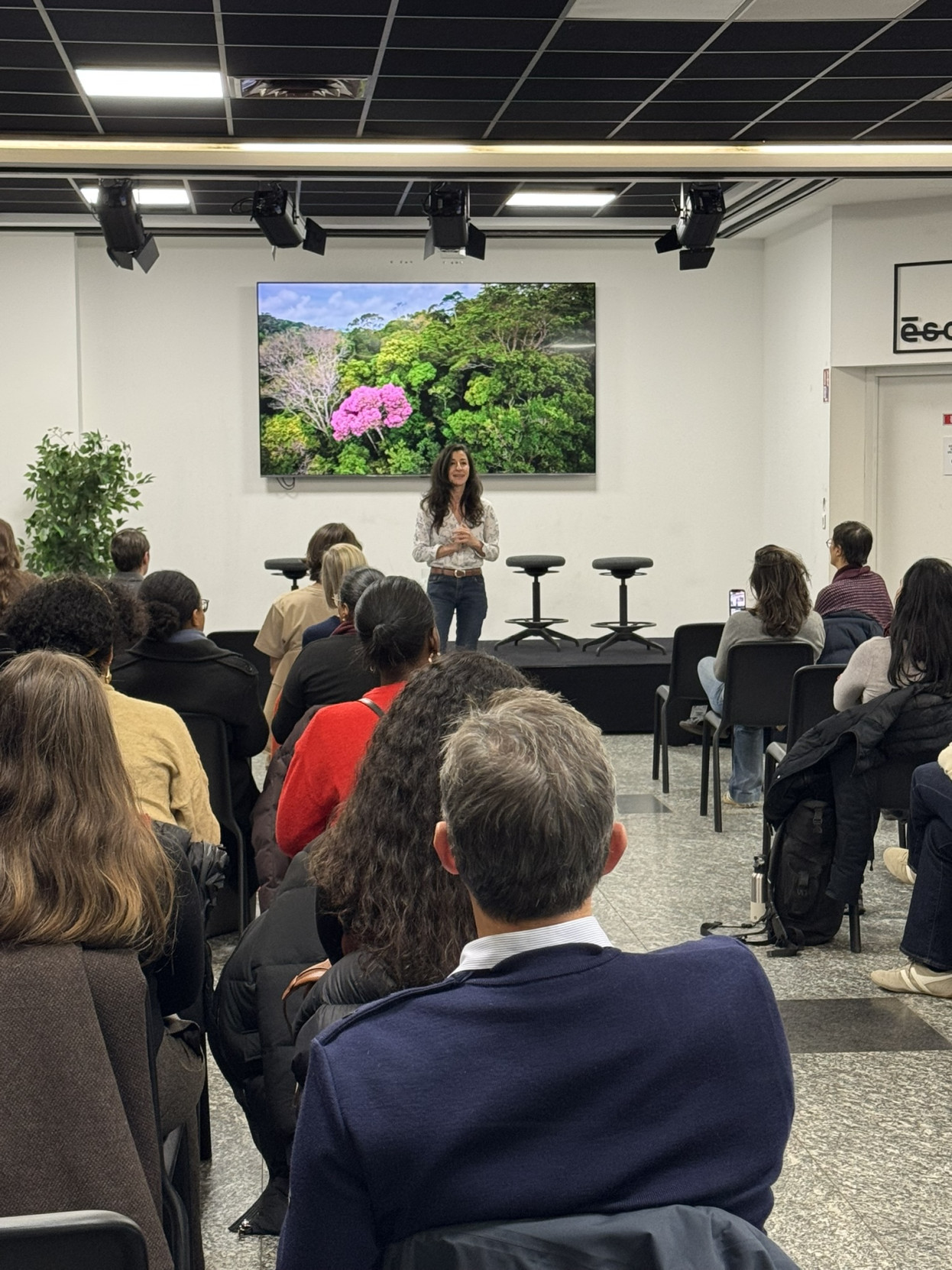
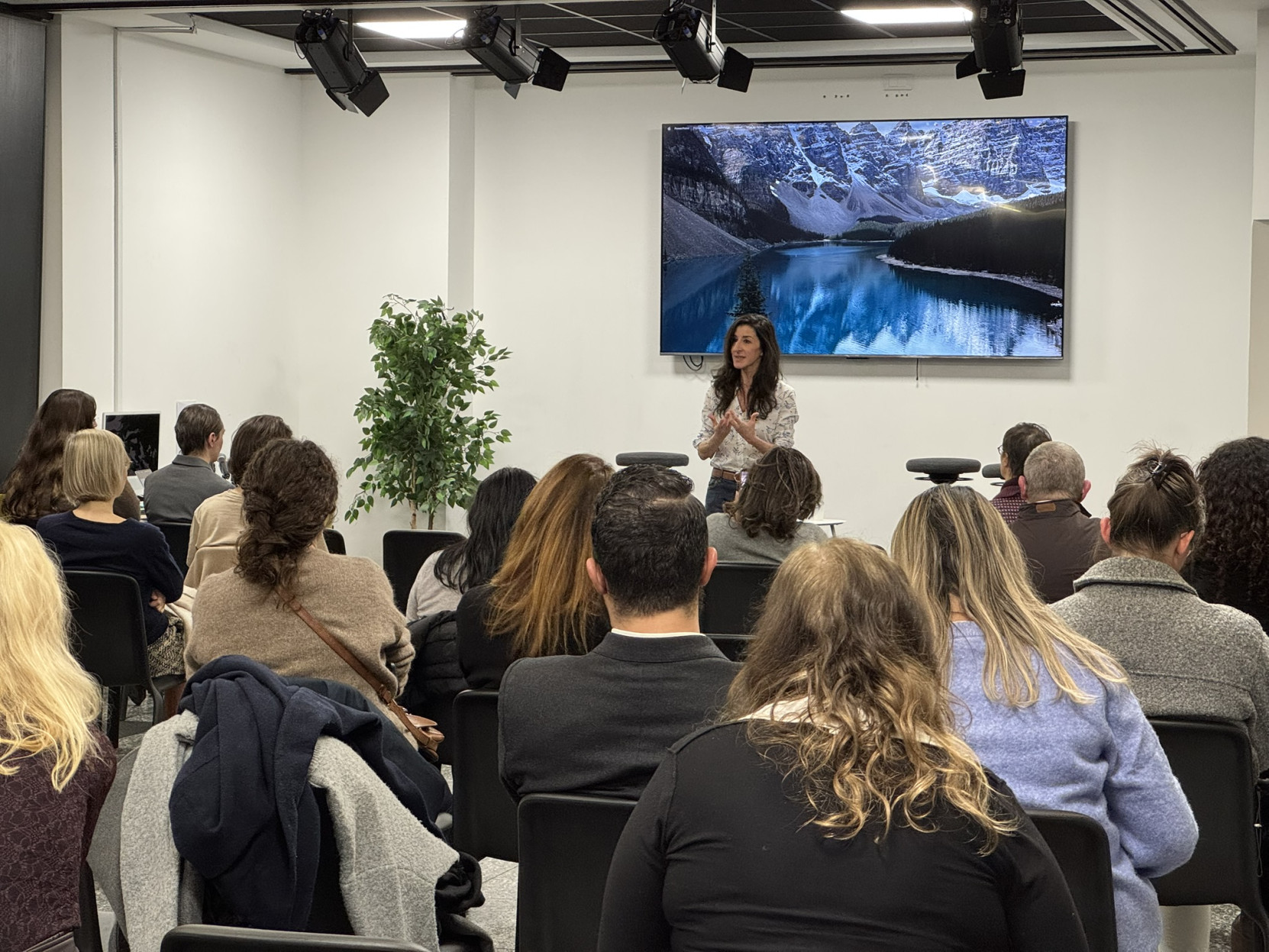
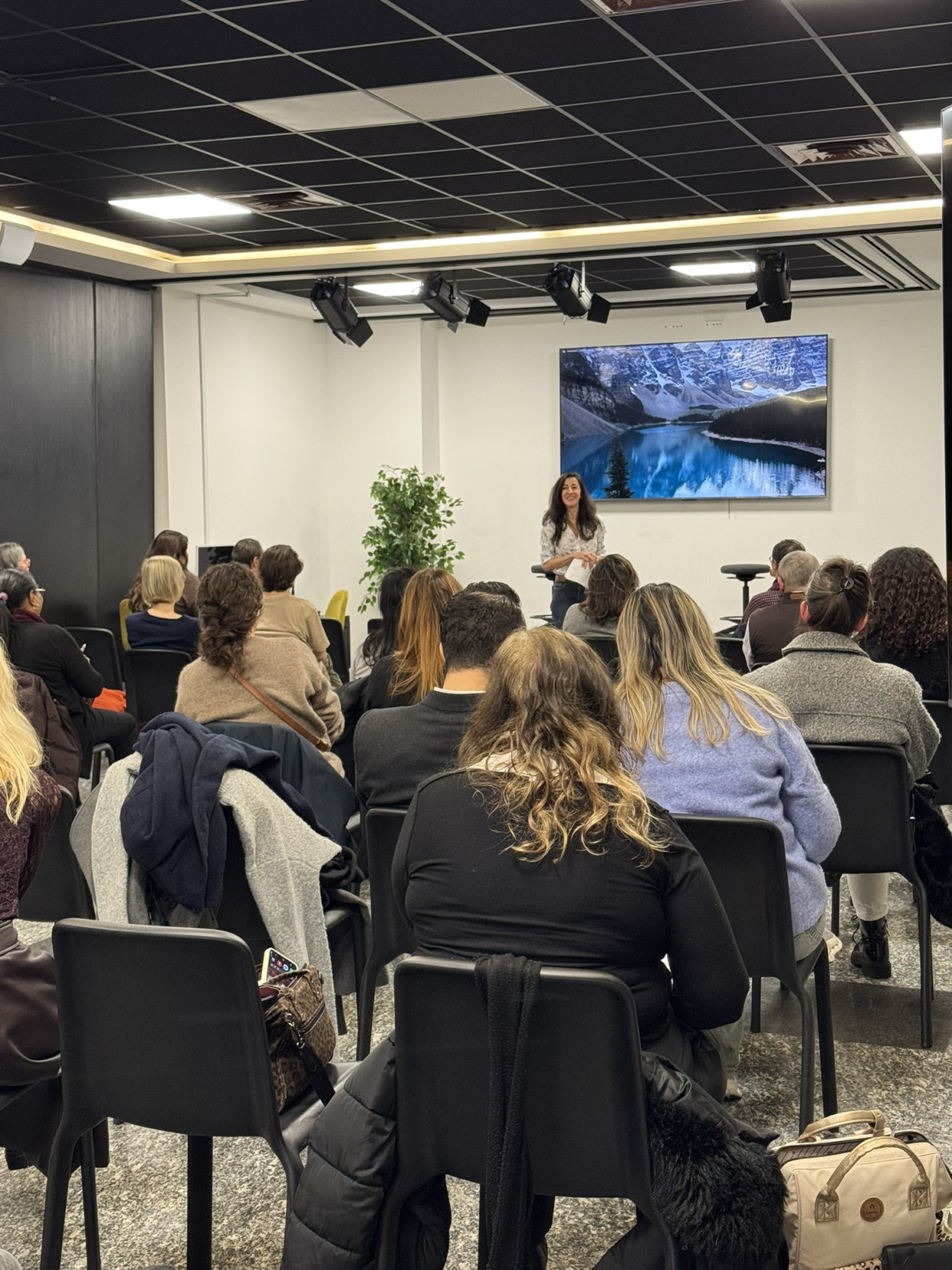
How can we move beyond awareness and achieve genuine inclusion in the workplace? This was the central question explored during a conference led by Sabrina Menasria, an EMLV graduate from the Class of 2004. Through an introduction to neurodivergence, personal accounts and real-world business experiences, one key message emerged: understanding different ways of thinking and functioning is also a way to help people work better together.
Understanding the realities behind neurological differences
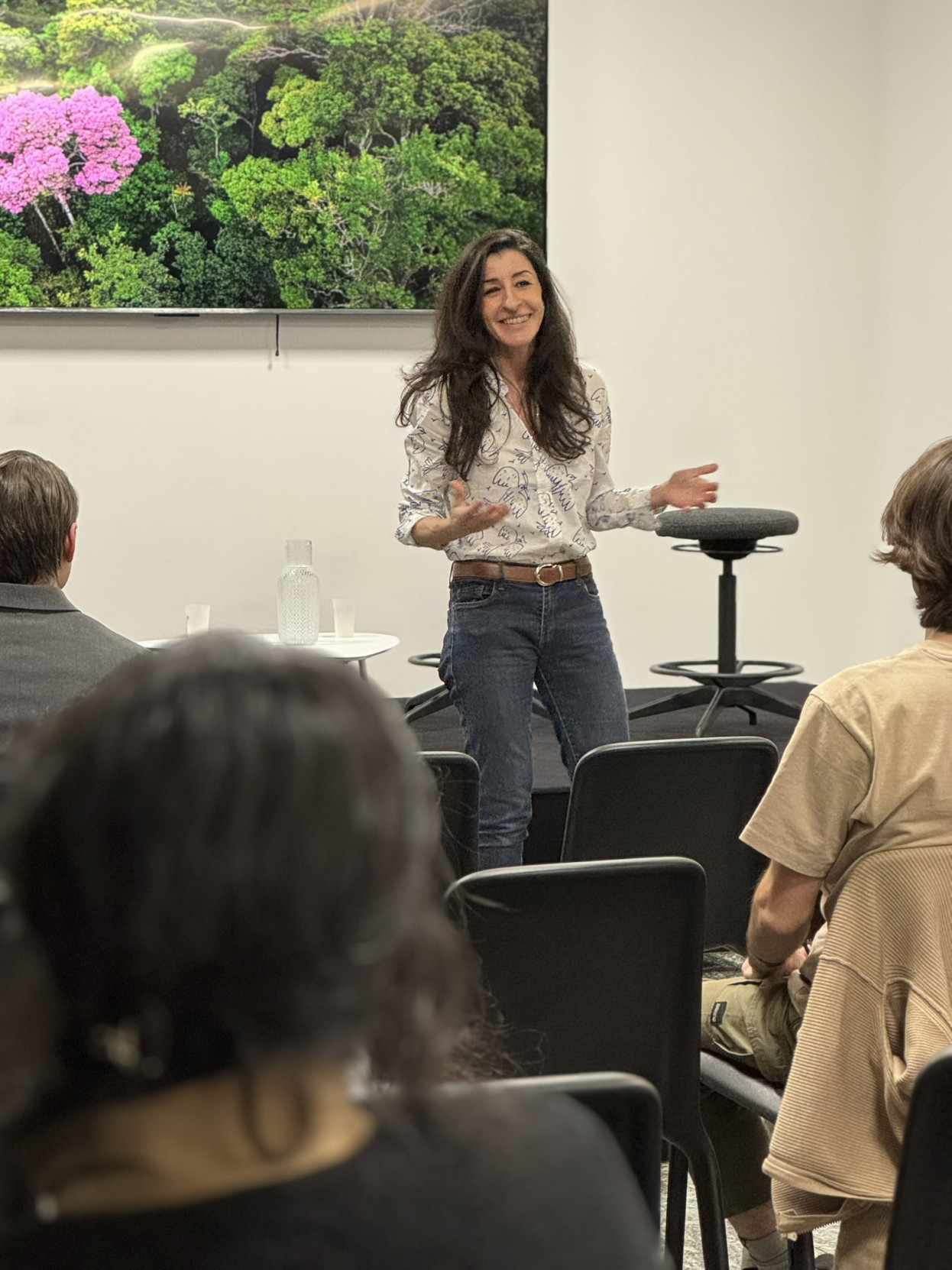
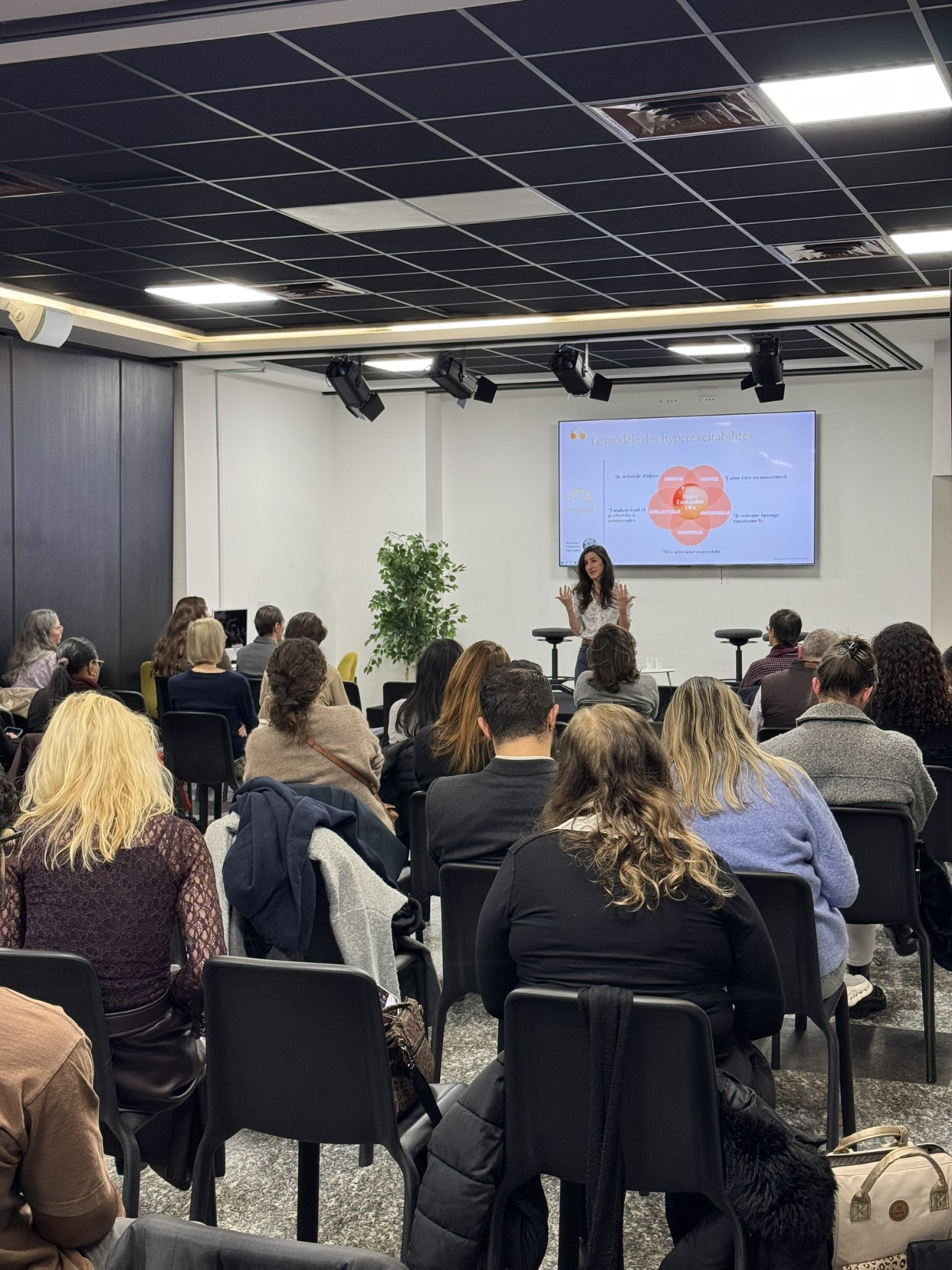
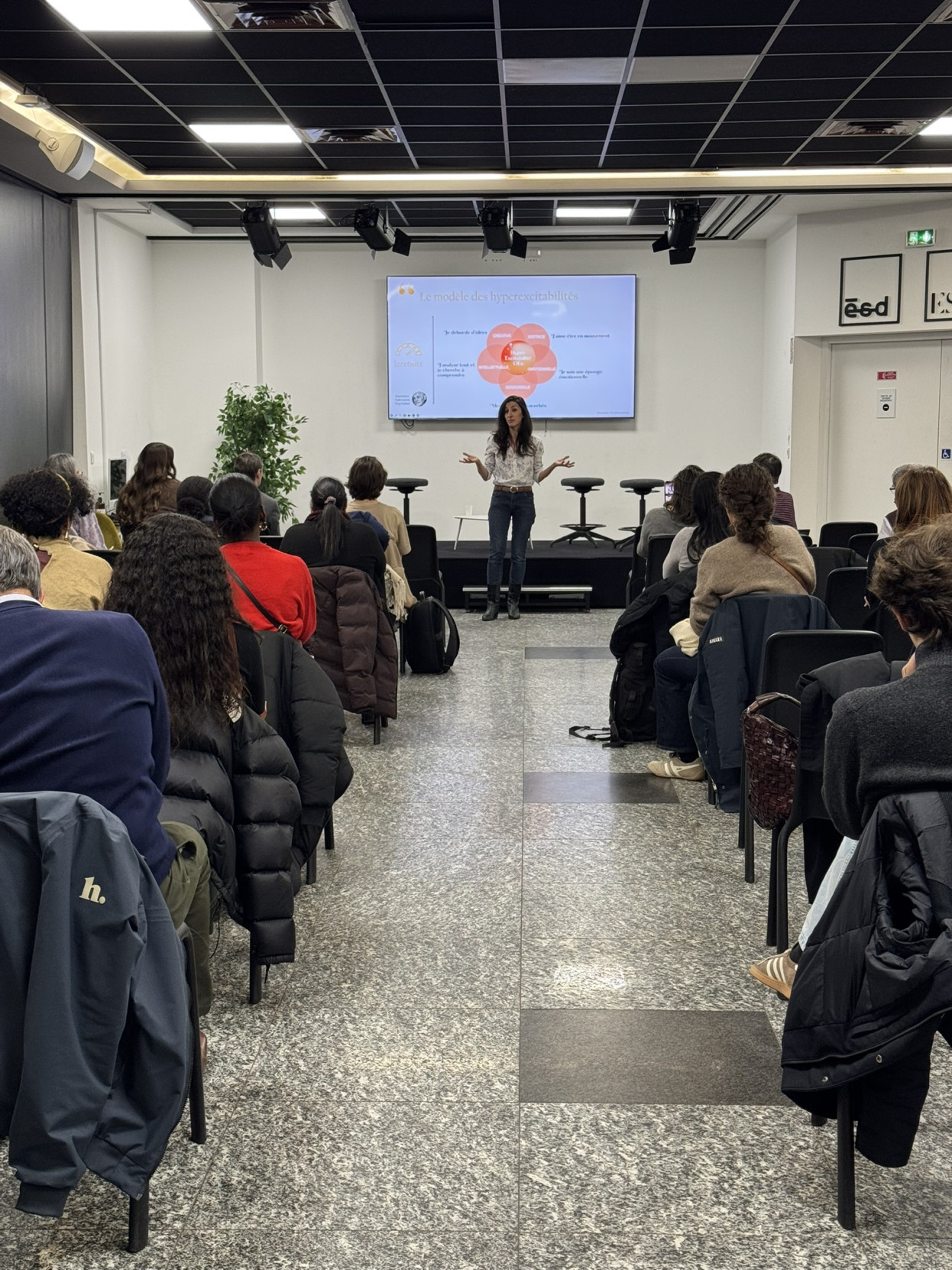
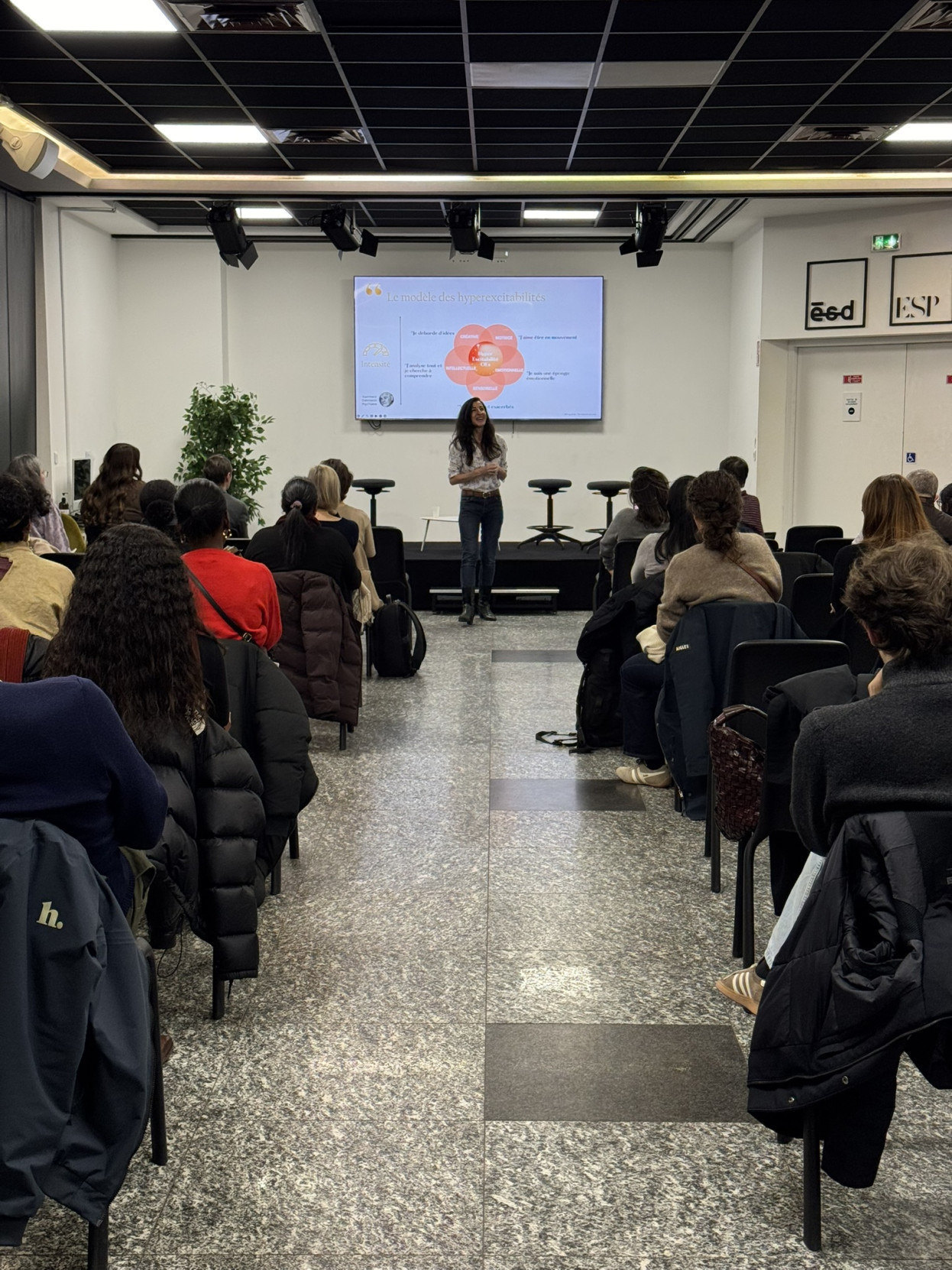
ASD, ADHD, specific learning disorders (dyslexia, dyspraxia, dyscalculia), Tourette syndrome… Sabrina opened the conference by introducing the main forms of neurodivergence and their prevalence in the French population. Giftedness (high intellectual potential, or HPI in French) and hypersensitivity were also discussed.
Behind these terms lie very different realities, individual ways of thinking and functioning, and above all, people who cannot be defined by a diagnosis alone.
That is where the conversation begins: understanding differences without putting the people who experience them into new boxes.

The right talent in the right place: time for a change of perspective?
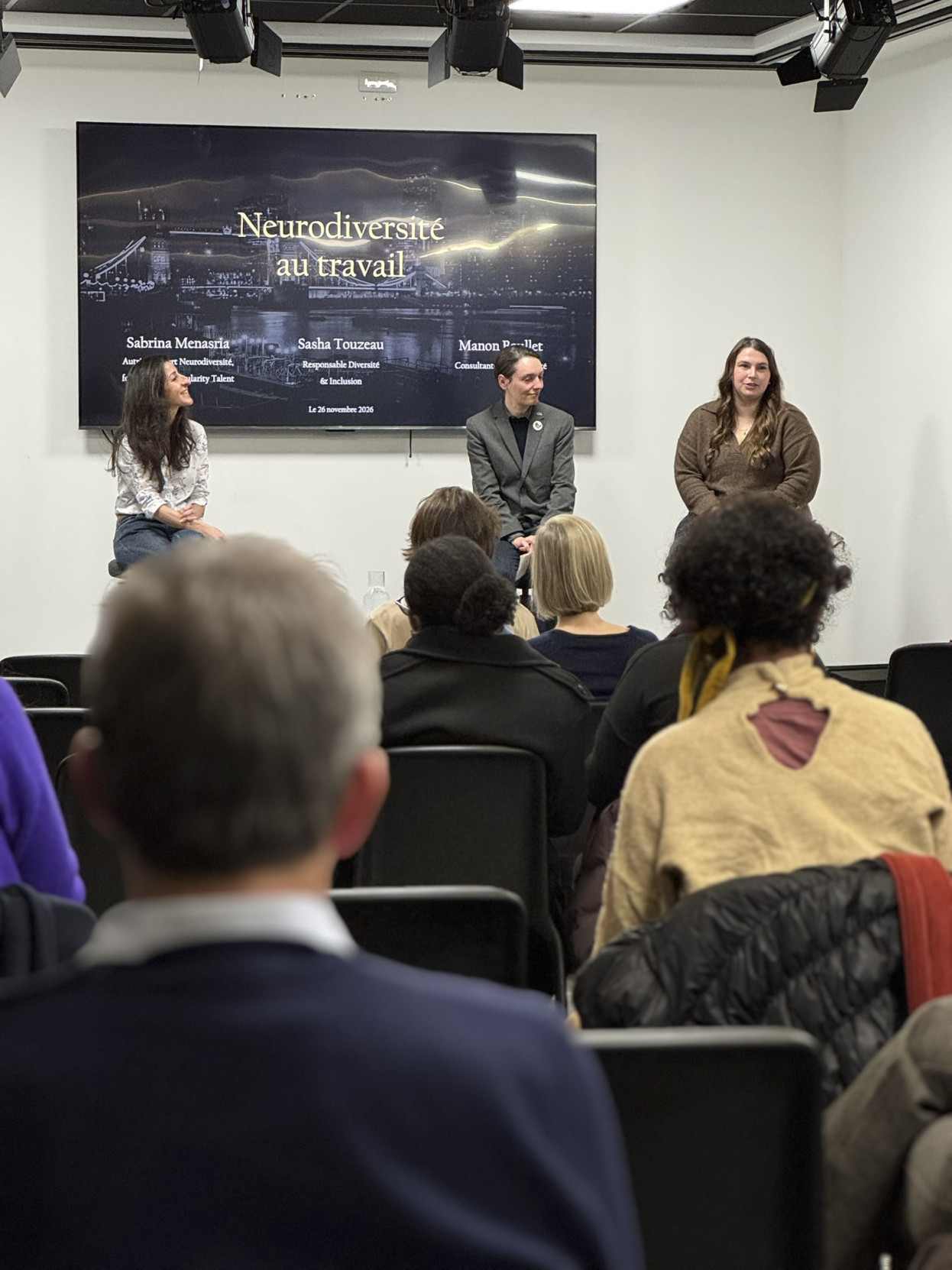
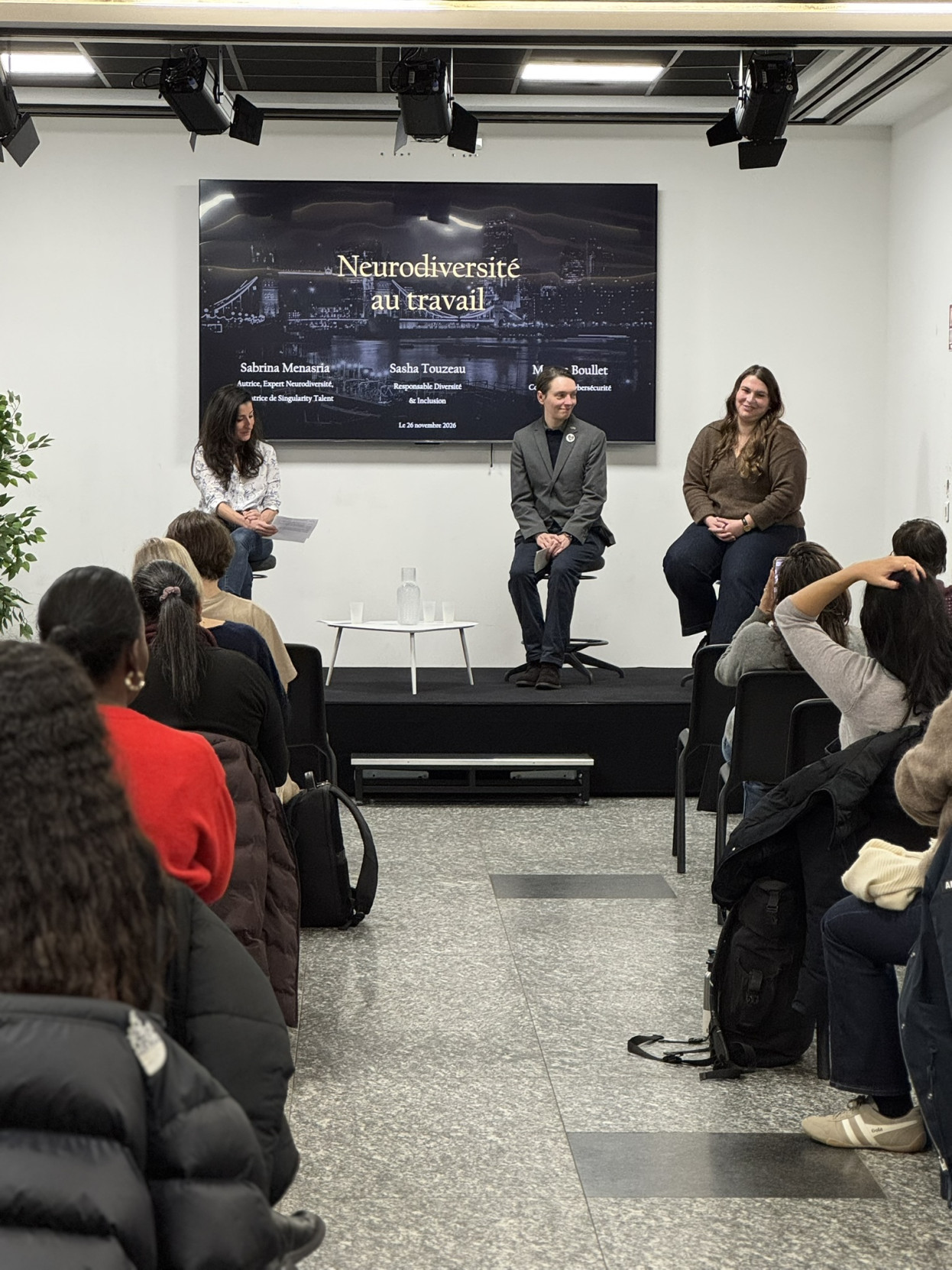
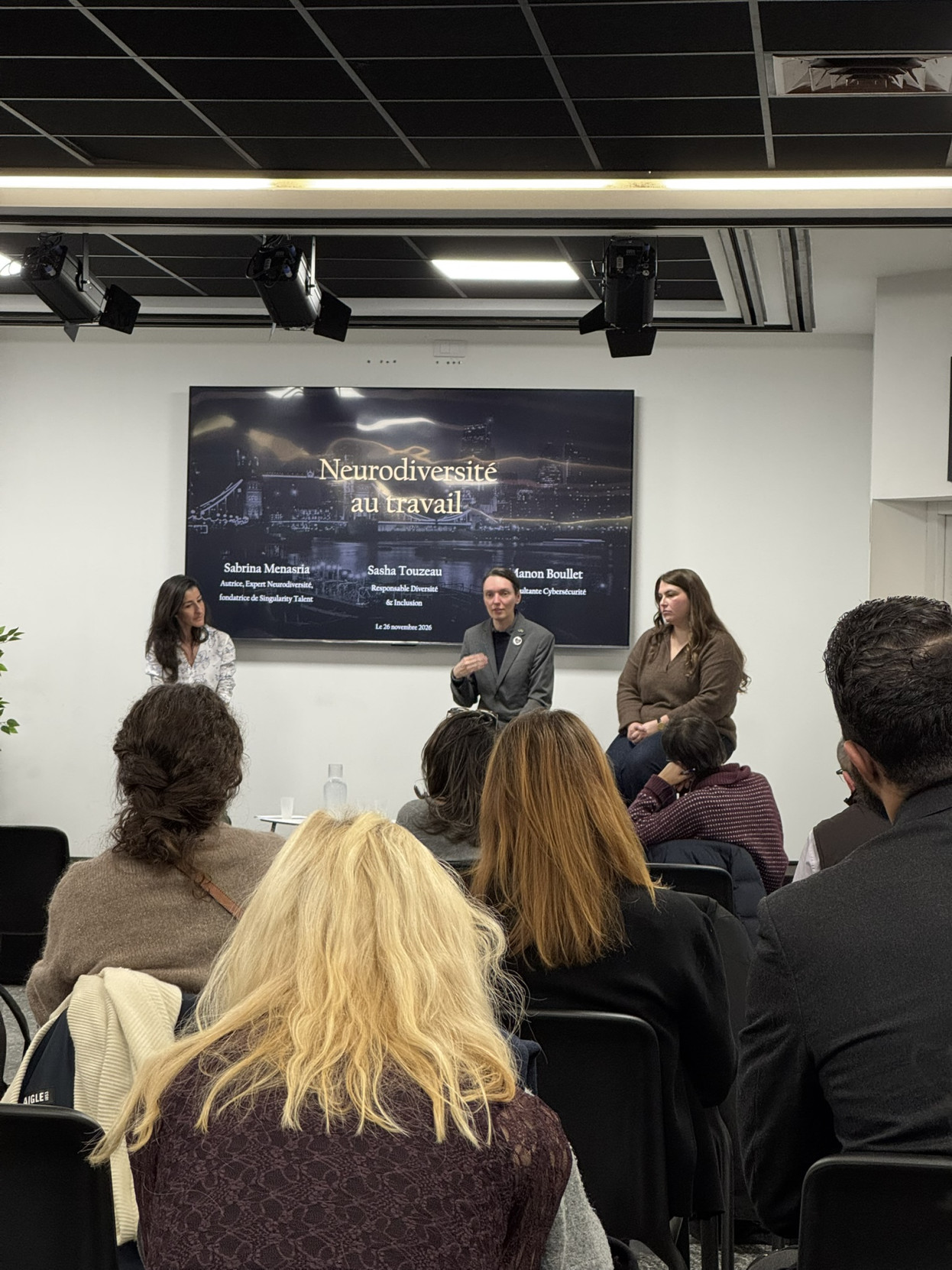
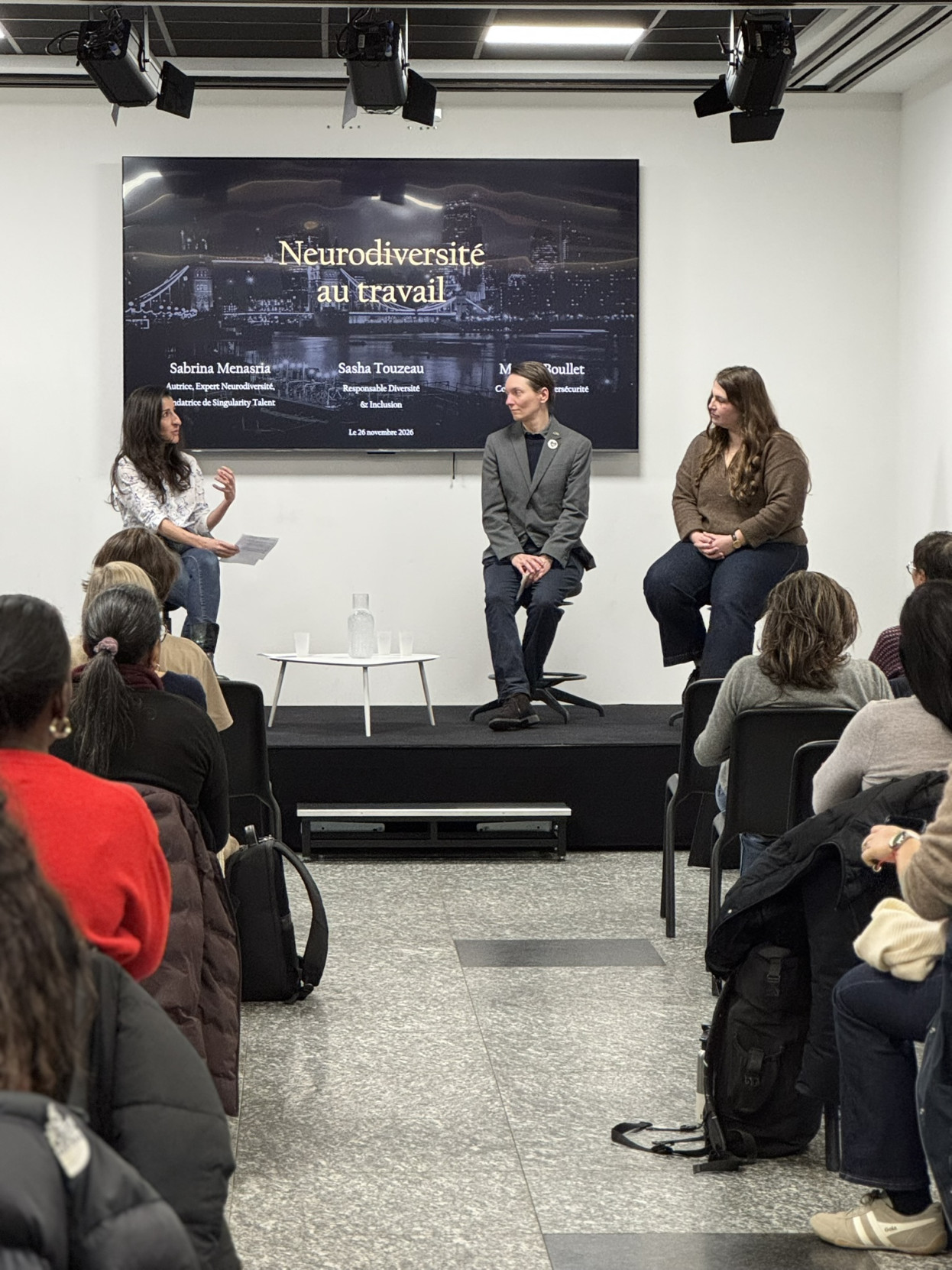
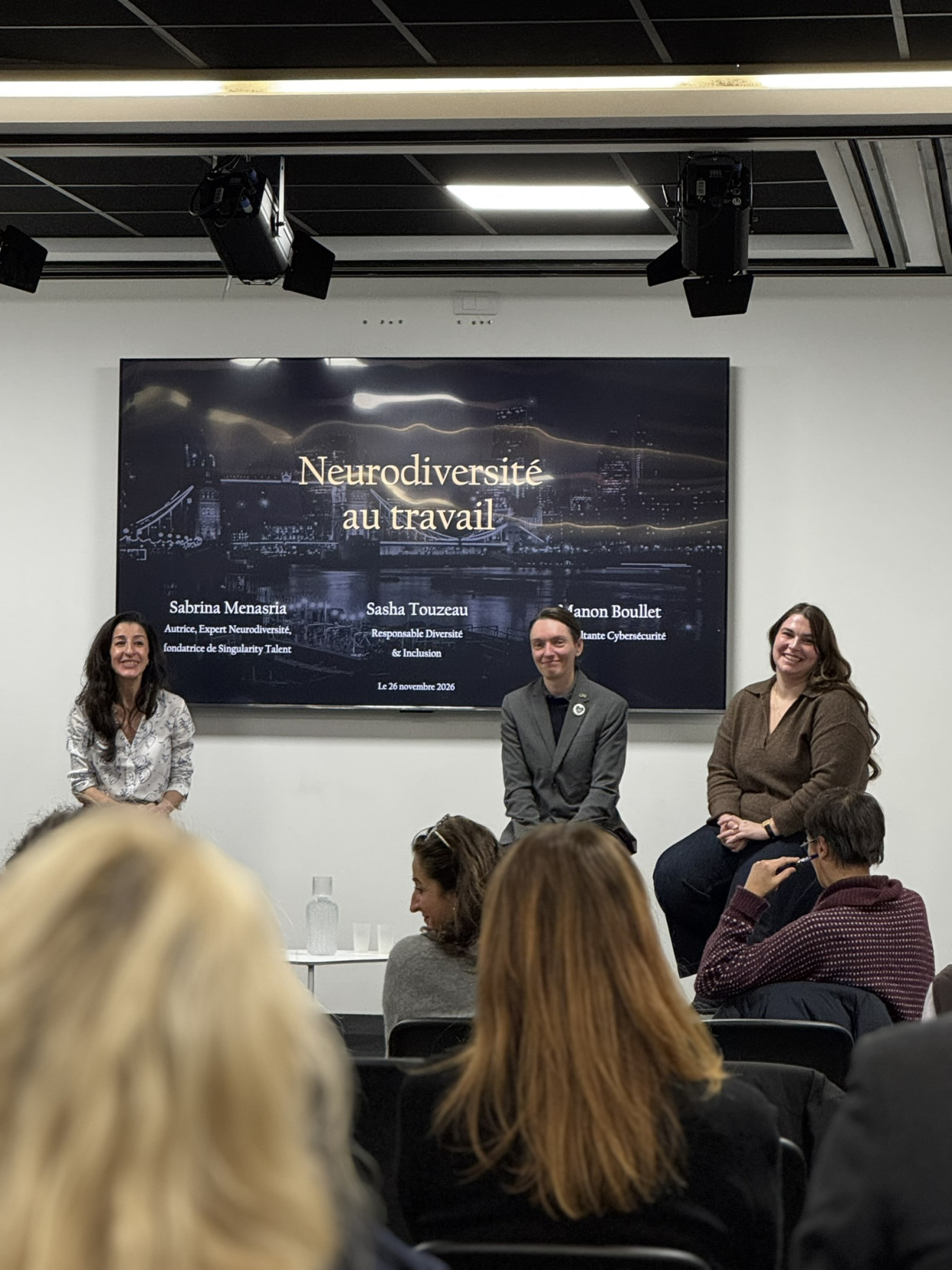
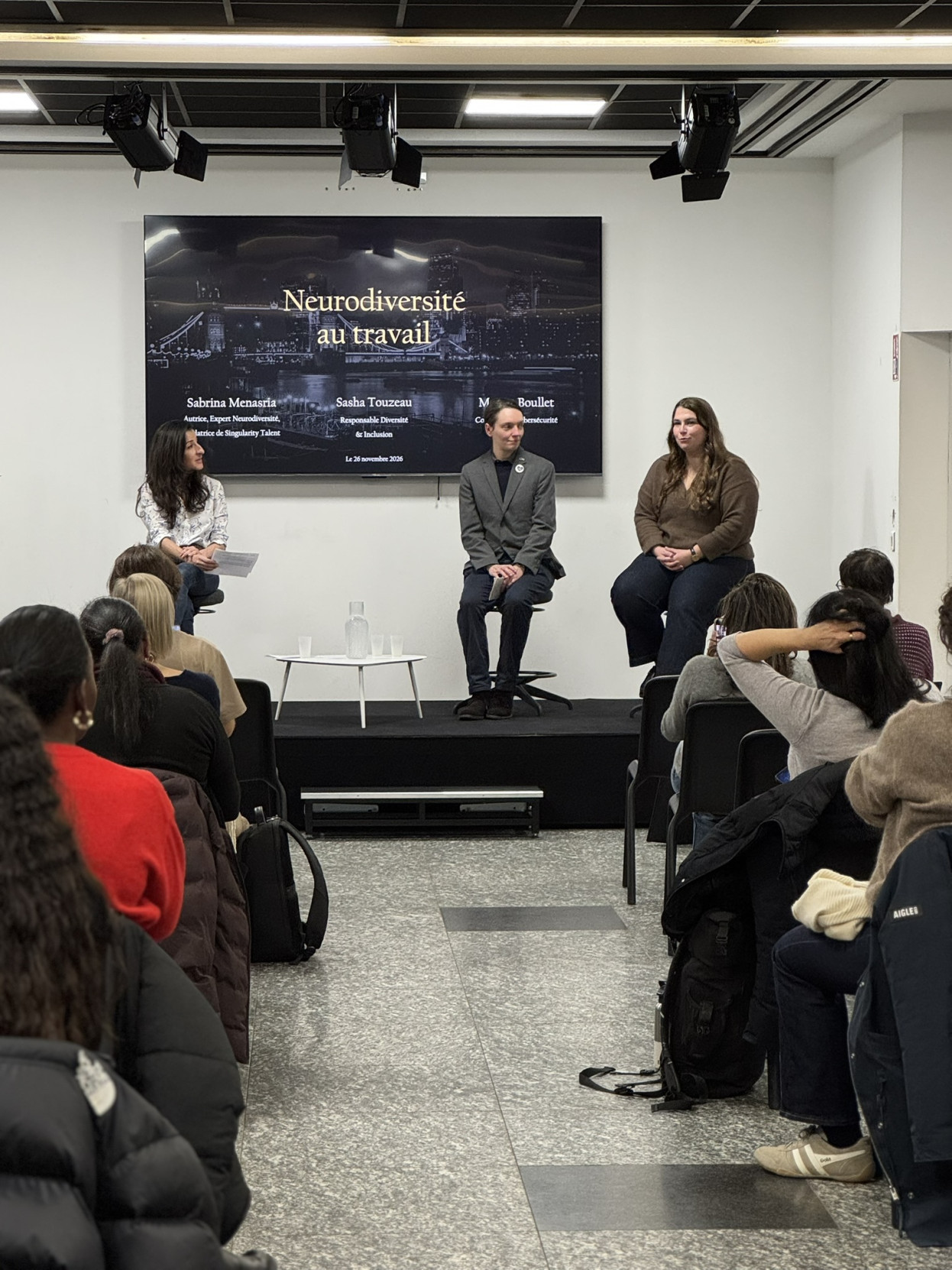
The conference then moved into a roundtable discussion, bringing together different perspectives and experiences to explore a key question: how can organisations turn neurodiversity into a strength?
One message stood out: misunderstandings often stem from a lack of awareness. When someone's behaviour seems unusual or unexpected, reactions can be immediate. But understanding how someone functions can help change the way we see them. As one of the speakers put it: “Understanding leads to kindness when people are given the right guidance.”
But there are also misconceptions to avoid. Neurodivergent people should not be defined solely by their difficulties, nor automatically portrayed as having a “superpower”. Like everyone else, they have strengths and challenges, but these may simply be different.
The challenge for businesses? Identifying individual strengths, assigning the right responsibilities and building teams where skills complement one another, making the most of what each person brings.
Perhaps this is where a genuine management revolution begins: creating organisations that recognise all kinds of talent, bring complementary skills together and give everyone the opportunity to express their abilities over the long term.
Listen, adapt, support: three steps towards meaningful inclusion
Should you disclose your neurodivergence at work? To whom? And how? Everyone should be free to decide what they want to share, with whom and when. What matters most is listening to yourself, setting boundaries and finding the right words to communicate your needs.
Two key priorities particularly stood out during the discussion.
Listen to the people directly concerned → Too often, neurodiversity is discussed primarily through the perspectives of healthcare professionals, relatives or families. Yet neurodivergent people are best placed to identify their own needs, even if they sometimes struggle to put them into words. This is why it is essential to give them a voice and provide trusted contacts within the workplace.
Make practical changes → Listening is important, but taking action is essential. Workplace adjustments are not privileges or extra comforts: they can be genuine necessities. Excessive noise, sensory overload, difficulties with on-site attendance or the need to work remotely… These situations can easily be misunderstood when people are unfamiliar with the realities involved.
Treating everyone in exactly the same way does not necessarily mean treating everyone fairly. Roles, responsibilities and individual needs differ, and workplace practices must be flexible enough to reflect this.
At Servier, inclusion also means providing ongoing support
The roundtable also offered an opportunity to discover several initiatives implemented at Servier to better support employees.
These include a network of contacts and dedicated representatives who can answer questions, discuss individual needs and provide guidance through the process of obtaining official disability recognition (RQTH in France).
Coaching programmes are also being developed. Their aim is to help employees organise their working environment, communicate their needs to their teams and, at the same time, give managers the tools they need to respond appropriately and support their colleagues.
Because telling your manager about your neurodivergence should not be the end of the conversation. It should be the starting point for a discussion that can lead to practical, tailored solutions.
Want to find out more?
Changing the way we think about neurodiversity is already an important first step. But making lasting changes to workplace practices also requires practical guidance: understanding different ways of functioning, identifying individual needs and finding the right ways to provide support.
Sabrina Menasria has created a practical guide to promoting the inclusion of neurodivergent people in the workplace. It offers useful insights to better understand these differences and take them into account, both in everyday interactions and in professional environments.
Download the guide for free below:
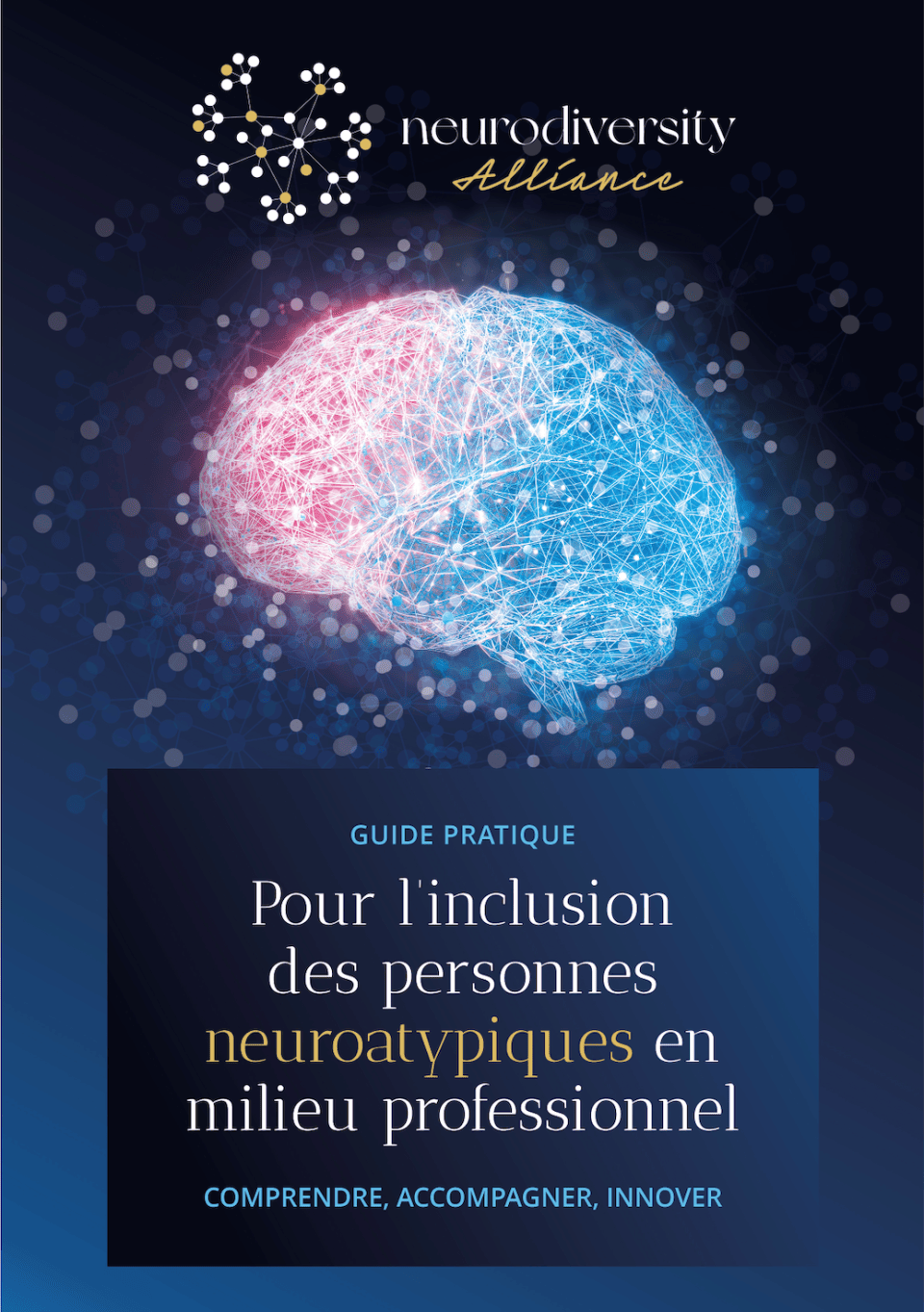

Image gallery18
Comments0
Please log in to see or add a comment
Suggested Articles