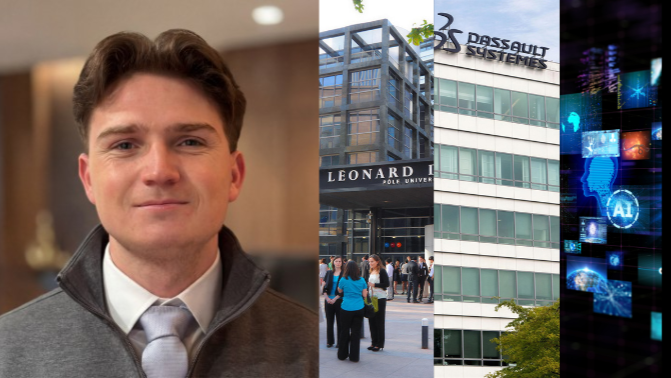

Skills of the Future: The Perspective of Aymeric de Maussion (EMLV 2014), Director of Artificial Intelligence for the Pays de la Loire Region


As artificial intelligence transforms professions and redraws the boundaries between skills, where does expertise fit in? At Nantes Digital Week 2026, of which EMLV, IIM Digital School and ESILV were partners. Aymeric de Maussion, an EMLV 2014 graduate and currently AI Director for the Pays de la Loire Region, shared his perspective alongside professionals from the digital, design and education sectors.
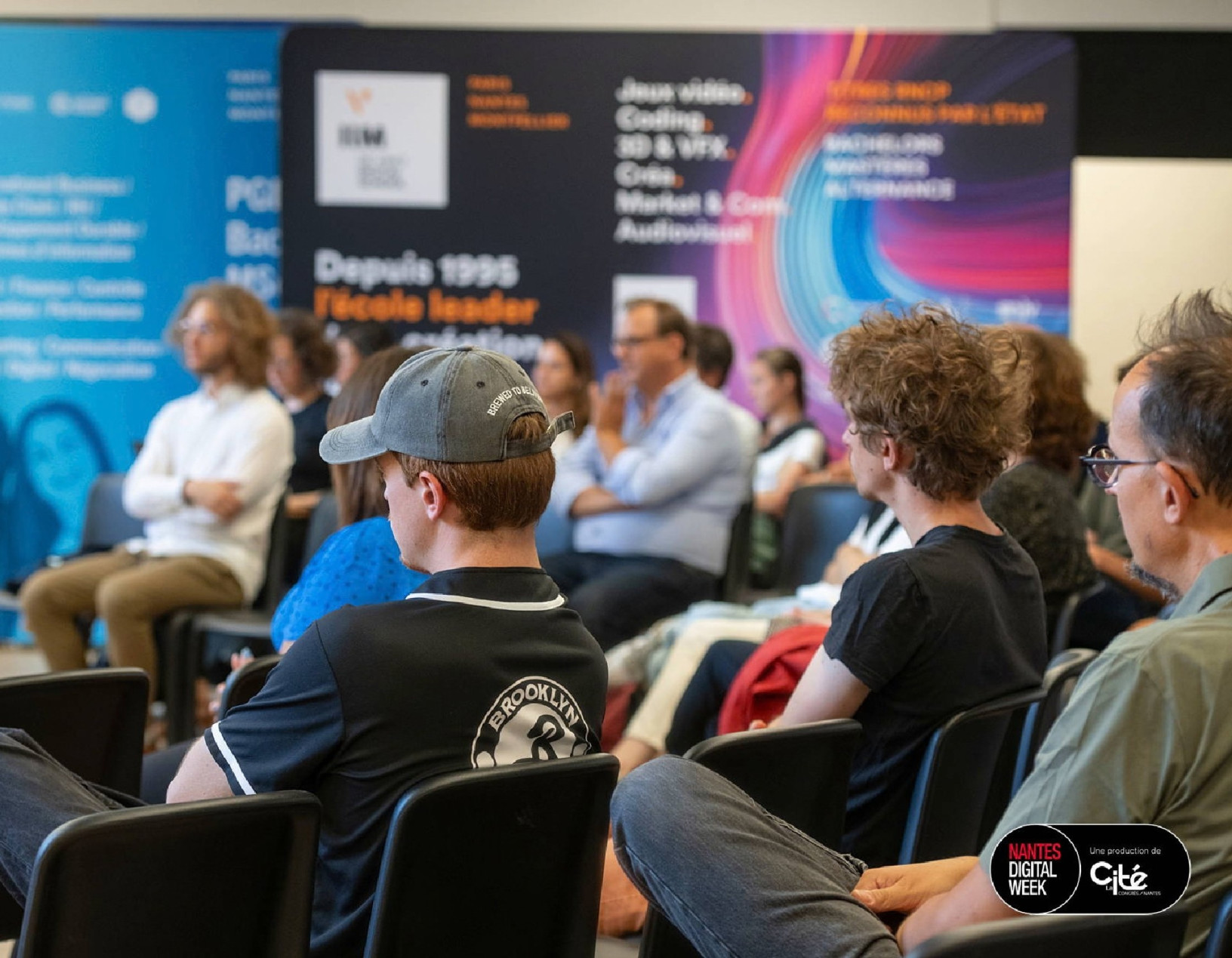
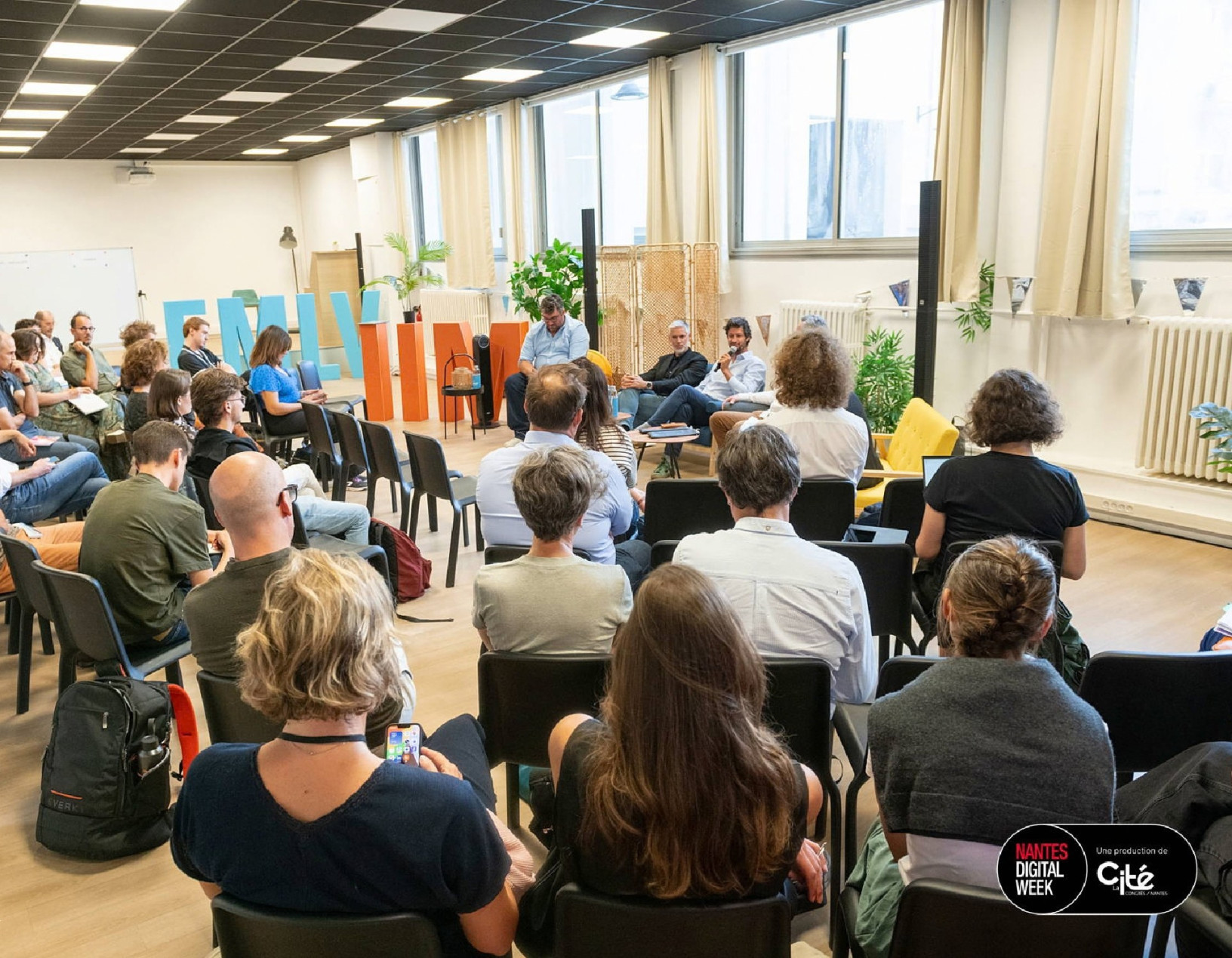
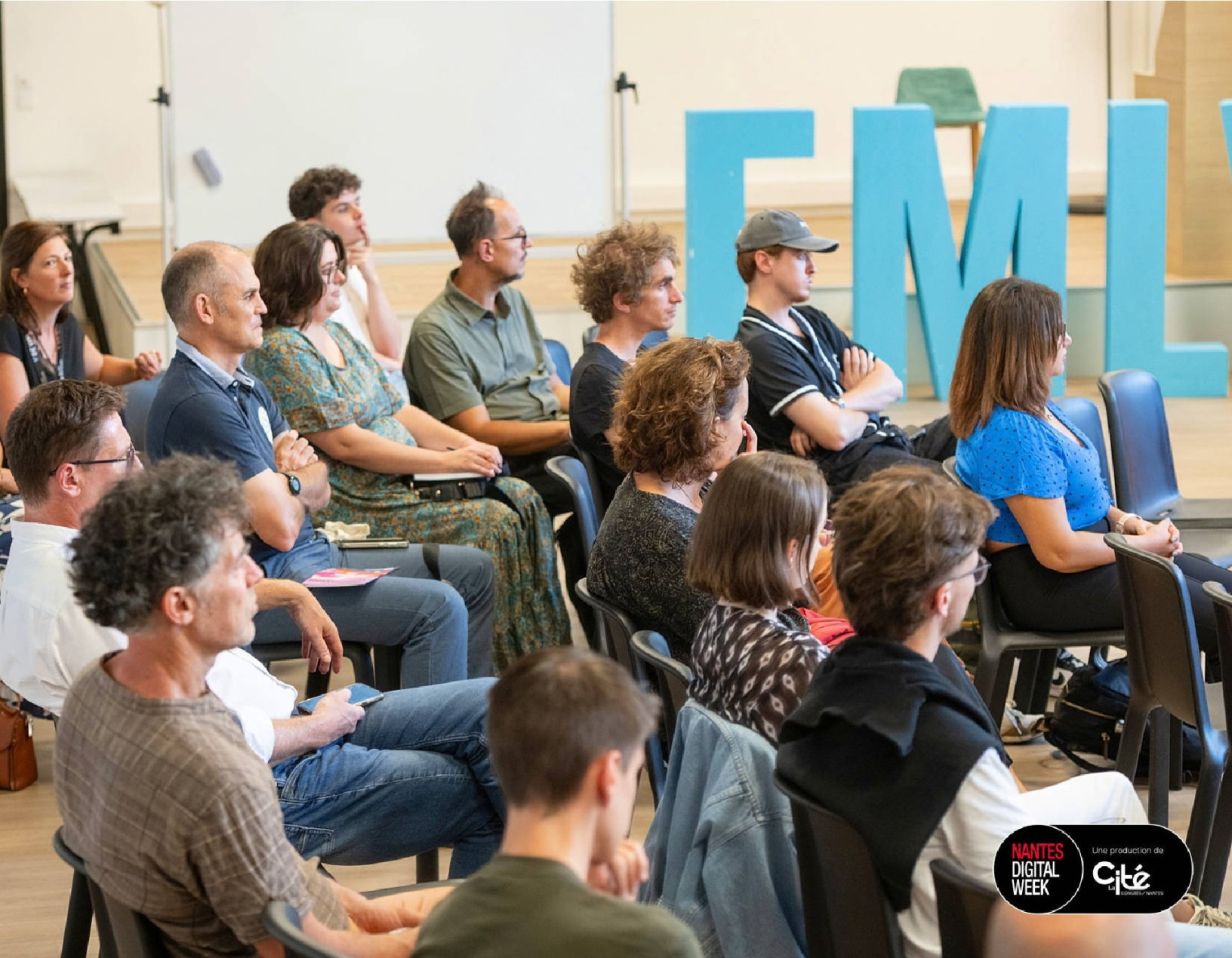
On September 21, students and professionals gathered at De Vinci Higher Education’s Nantes campus for a roundtable organised with Capgemini around a particularly timely question: “From expertise to hybrid skills: are specialists becoming a thing of the past?”
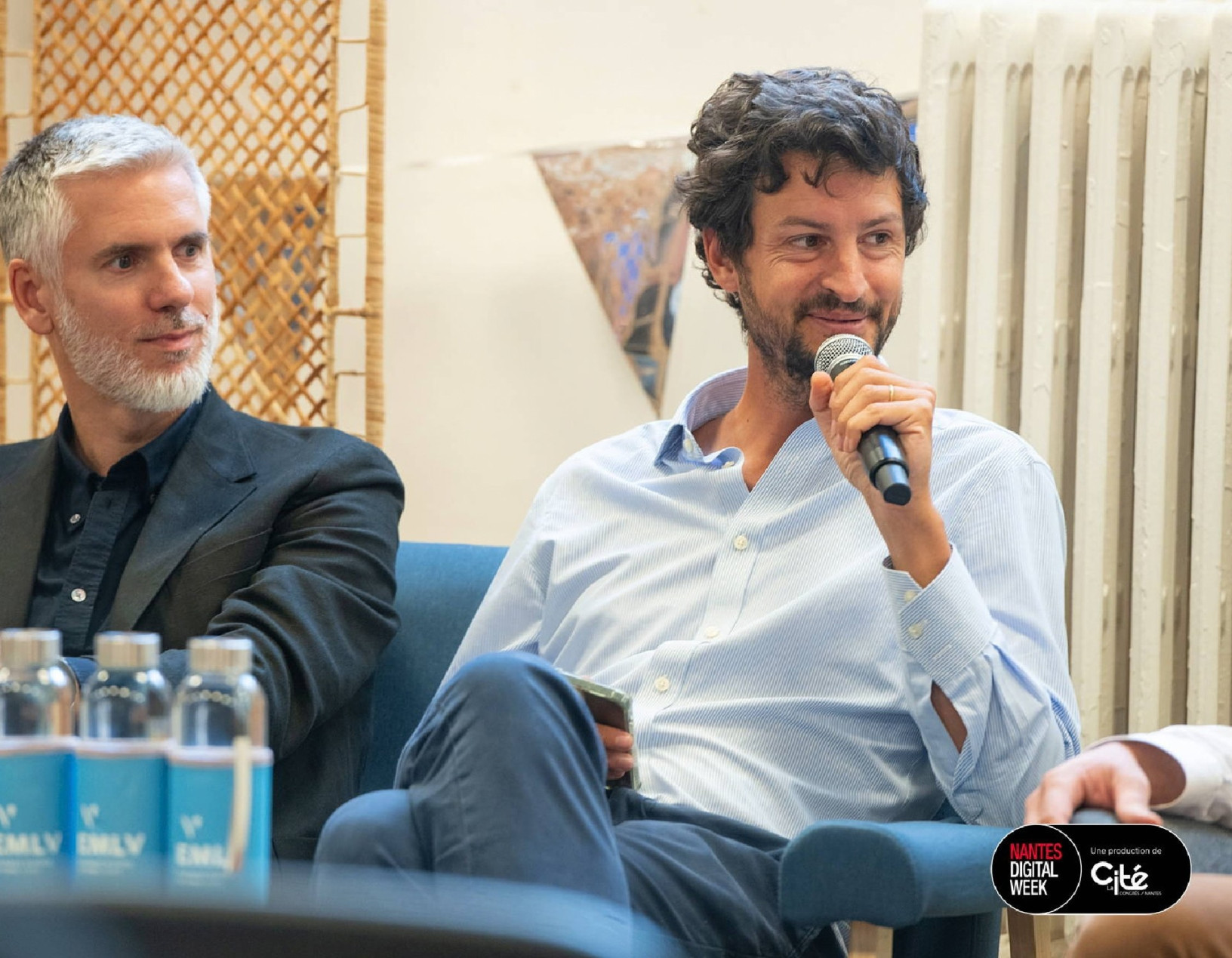
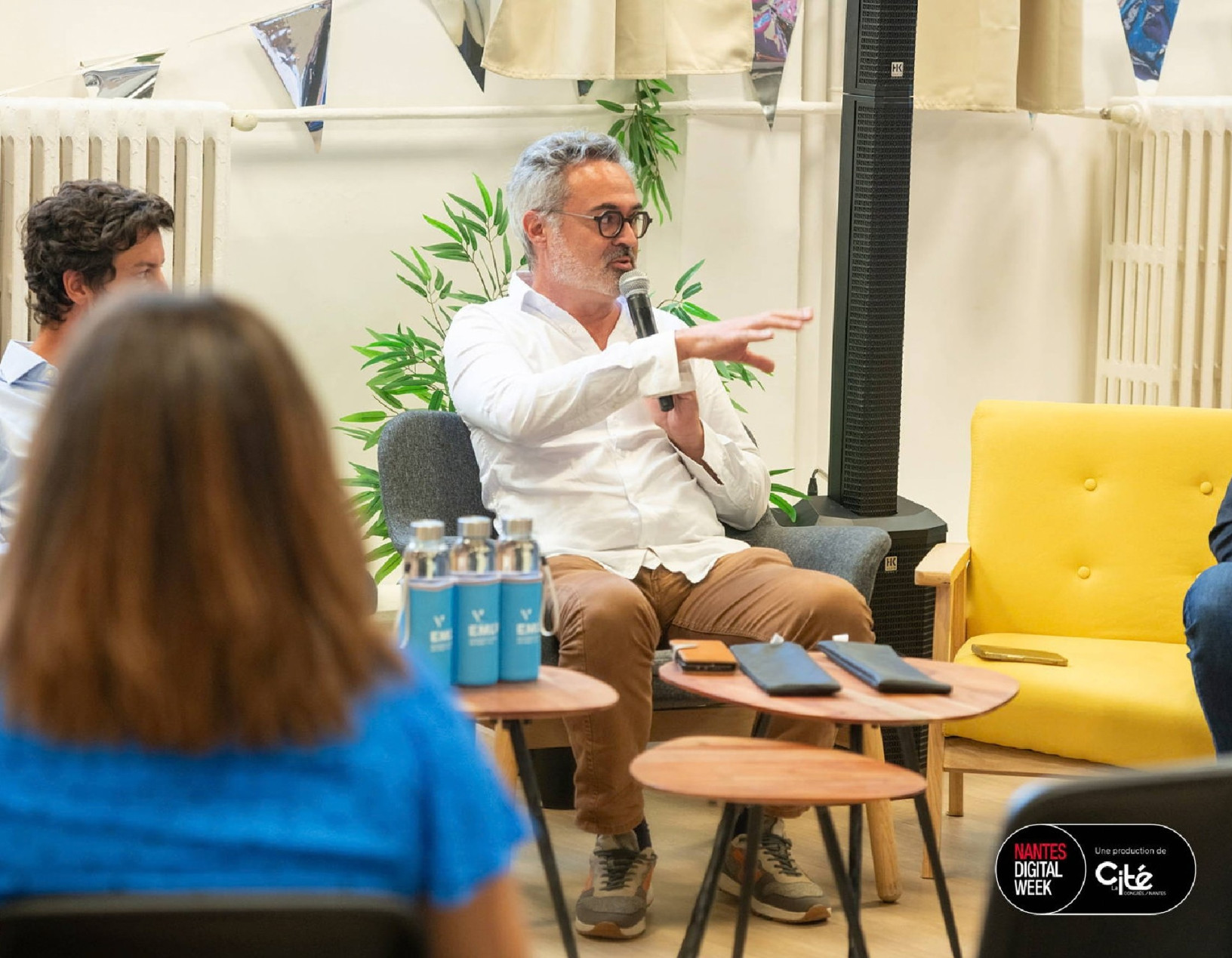
Bringing together a range of perspectives, the discussion featured four professionals with complementary backgrounds, moderated by Dominique Deveaux: Benjamin Holmgren, Managing Director at Frog; Matthieu Cousquer, Head of Academic Programmes and Development for IIM at the Nantes campus; Pierre-Yves Huan, founder of Design9; and Aymeric de Maussion, EMLV alumnus, Class of 2014.
From EMLV to deploying AI across an entire region
As AI Director for the Pays de la Loire Region, Aymeric de Maussion is now at the heart of one of the transformations raising some of the most pressing questions about the future of skills: artificial intelligence.
His role notably involves supporting the adoption and deployment of AI across the regional economy, bringing together businesses, technology players and the wider innovation ecosystem. This mission also translates into concrete initiatives: last June, at VivaTech, he moderated a roundtable on the Region’s pavilion exploring collaboration between large corporations, industrial companies and startups. In November, the Region will also support GenAI Days Nantes, a day dedicated to the practical challenges of deploying AI within organisations, from strategy, security and digital sovereignty to costs and change management.
These issues give Aymeric a first-hand perspective on the transformations already reshaping organisations and the types of profiles they will need in the future.
The widespread adoption of AI tools does not simply raise questions about technical proficiency. It is also reshaping the way we build, value and develop our professional expertise.
Expertise or versatility: do we really have to choose?
As certain skills become more accessible thanks to AI, what will truly make the difference? And how can professionals remain relevant in a technological environment that is evolving at such a rapid pace?
The discussion explored a growing tension in professional careers: should we develop deep specialisation or, on the contrary, broaden our range of skills to become more versatile?
Between these two approaches, a third model is increasingly gaining ground: the “T-shaped profile.” The idea? To combine deep expertise in one specific field — the vertical bar of the T — with a broad enough understanding of other disciplines to collaborate effectively across them.
This approach is particularly relevant in digital environments, where developers, designers, data experts, business professionals, creatives and AI specialists are increasingly expected to work together to develop shared solutions.
AI is transforming skills… without making expertise obsolete
Artificial intelligence is accelerating this shift. It now provides rapid access to knowledge and certain capabilities that previously required a higher level of technical expertise.
Yet mastering the tools alone is not enough. Understanding a problem, applying critical thinking, choosing the right approach, putting an answer into context, collaborating across areas of expertise and continuing to learn are all becoming increasingly important skills.
This also places lifelong learning at the heart of professional careers. In an environment where tools, practices and professions are evolving rapidly, expertise can no longer be considered a fixed asset: it must continue to evolve. Its value increasingly lies in the ability to connect with other disciplines, incorporate complementary skills and contribute to a broader understanding of complex challenges.
Twelve years after graduating from EMLV, Aymeric’s career also echoes the questions raised during the roundtable about how skills evolve throughout a professional journey. In a world of work being reshaped by AI, the challenge may no longer be to choose between being a specialist or a generalist, but rather to keep developing one’s expertise, broaden its scope and connect it with the expertise of others.

An Alumni to follow!
Photo Crédit : Matthieu Joubert

Image gallery5
Comments0
Please log in to see or add a comment
Suggested Articles