
Going Abroad: Six Alumni Share Their Experiences and Advice

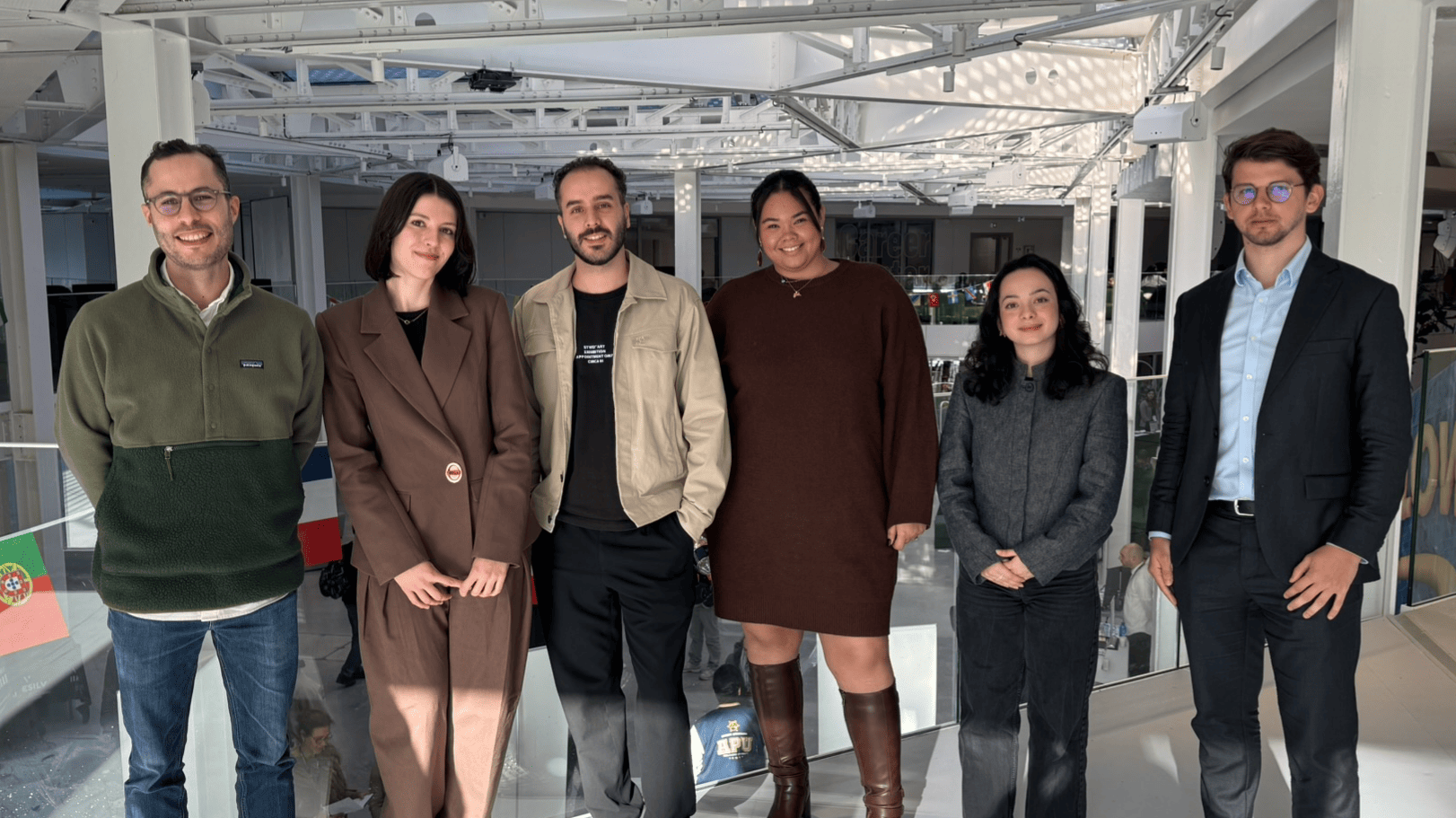
Internships, VIE programs, or international careers: At the 2026 International Fair, six graduates from EMLV, ESILV, and IIM came to share their experiences with international mobility with the students. From searching for their first opportunity to the professional and personal discoveries that left a lasting impression on them, their stories provided concrete insight into the possibilities available to those who wish to embark on an adventure abroad.
Whether it’s going abroad for an internship, starting your career in another country, or taking advantage of a VIE opportunity, international career paths can take many different forms. But how do you take the plunge? Where do you look for opportunities? How do you prepare for a professional experience in an environment you’re not yet familiar with?
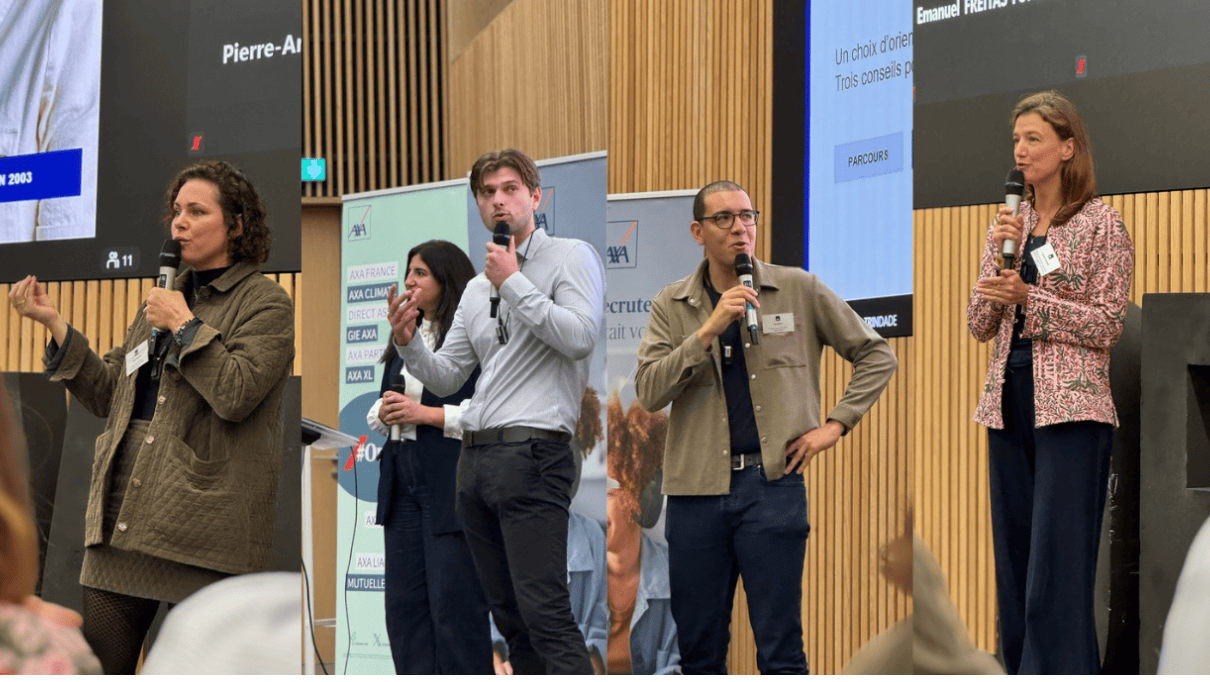
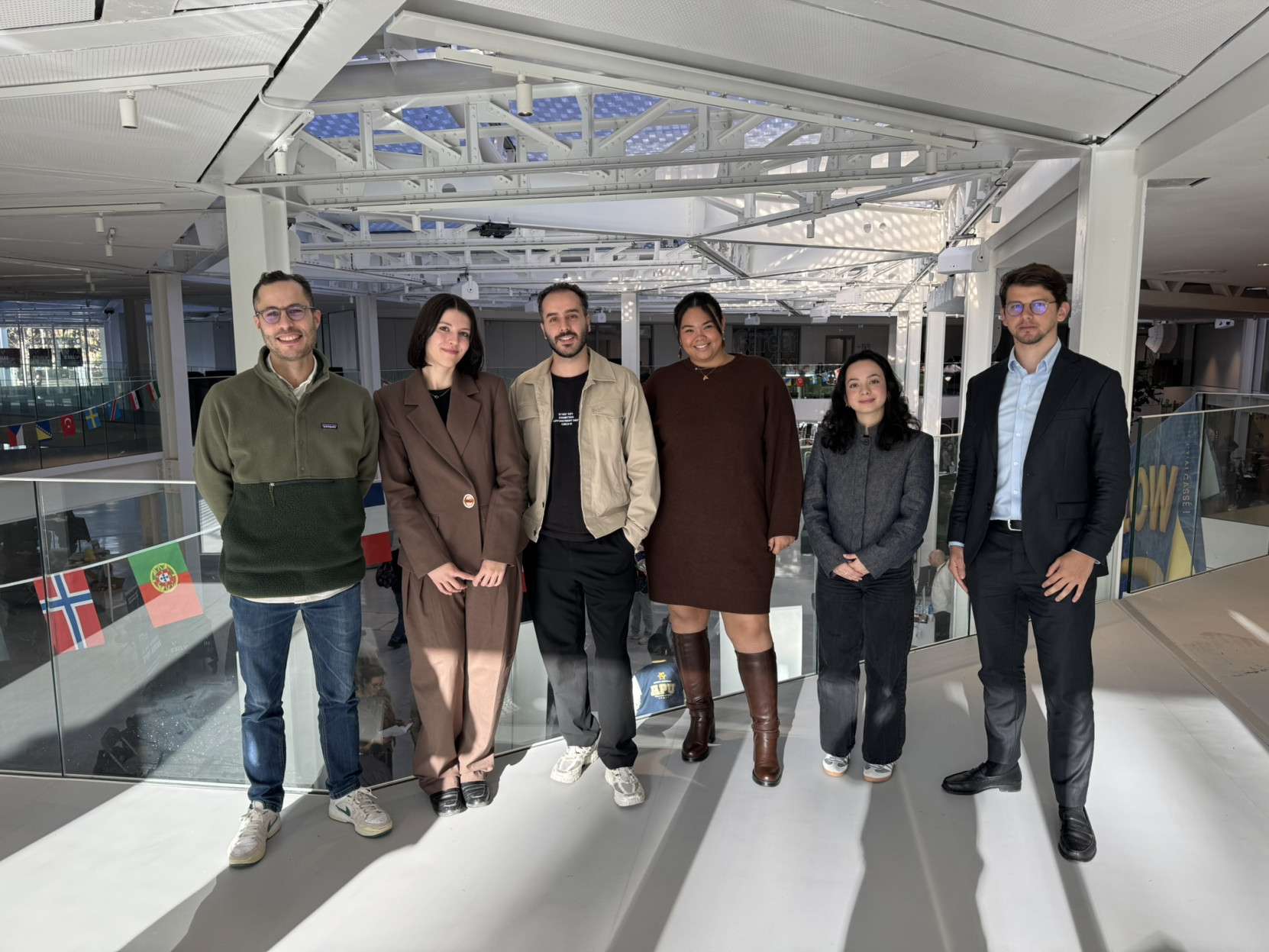
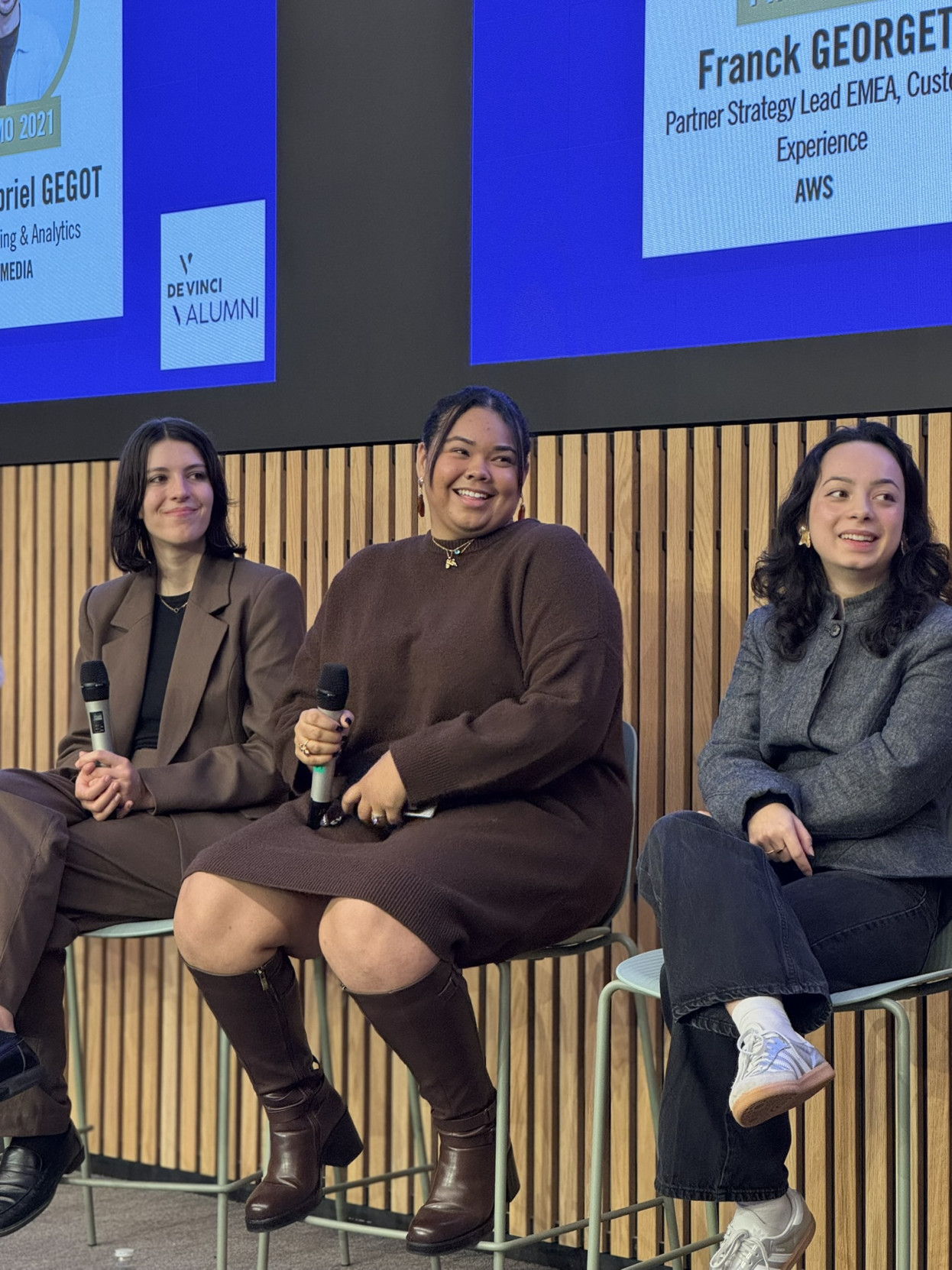
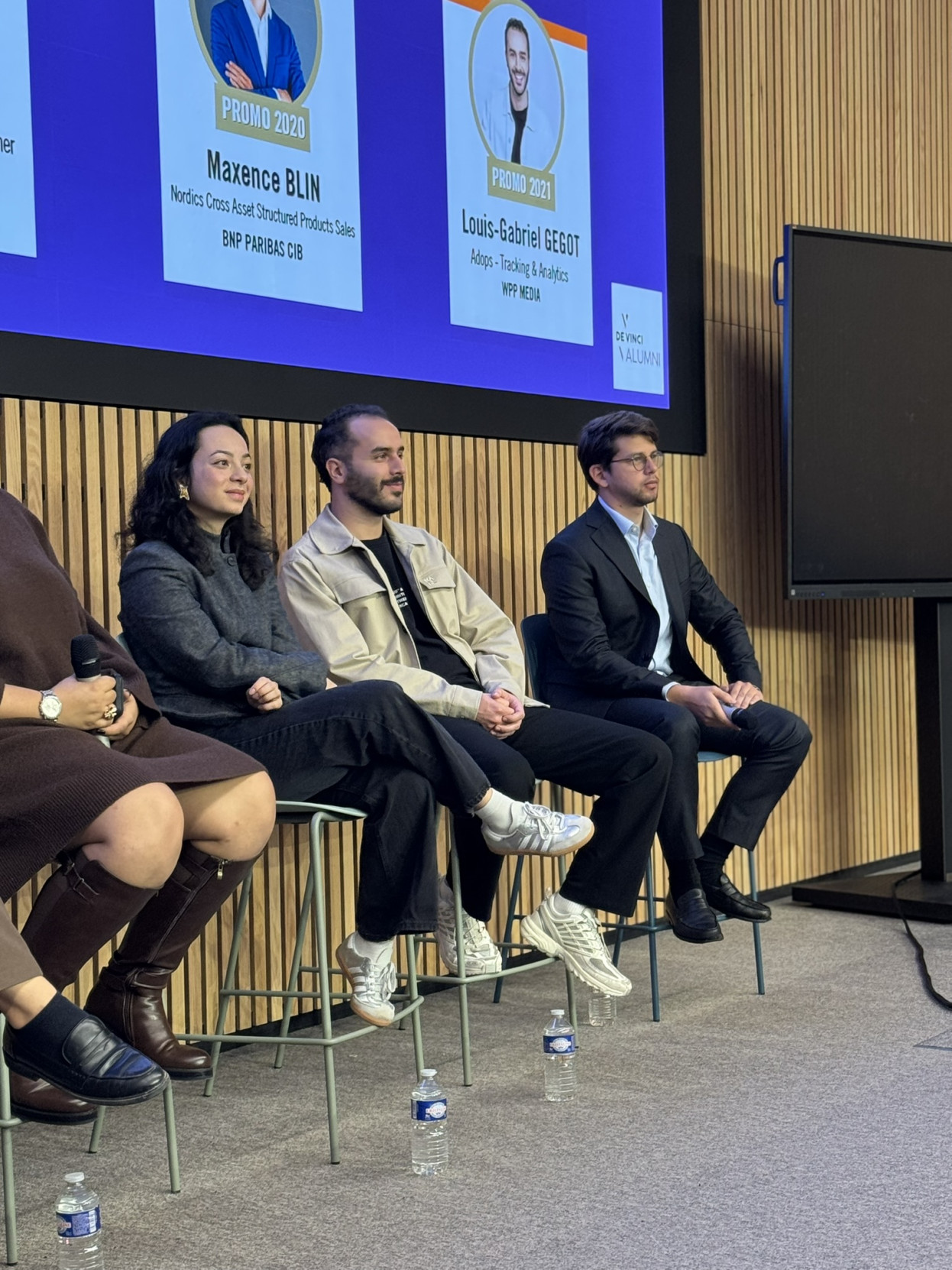
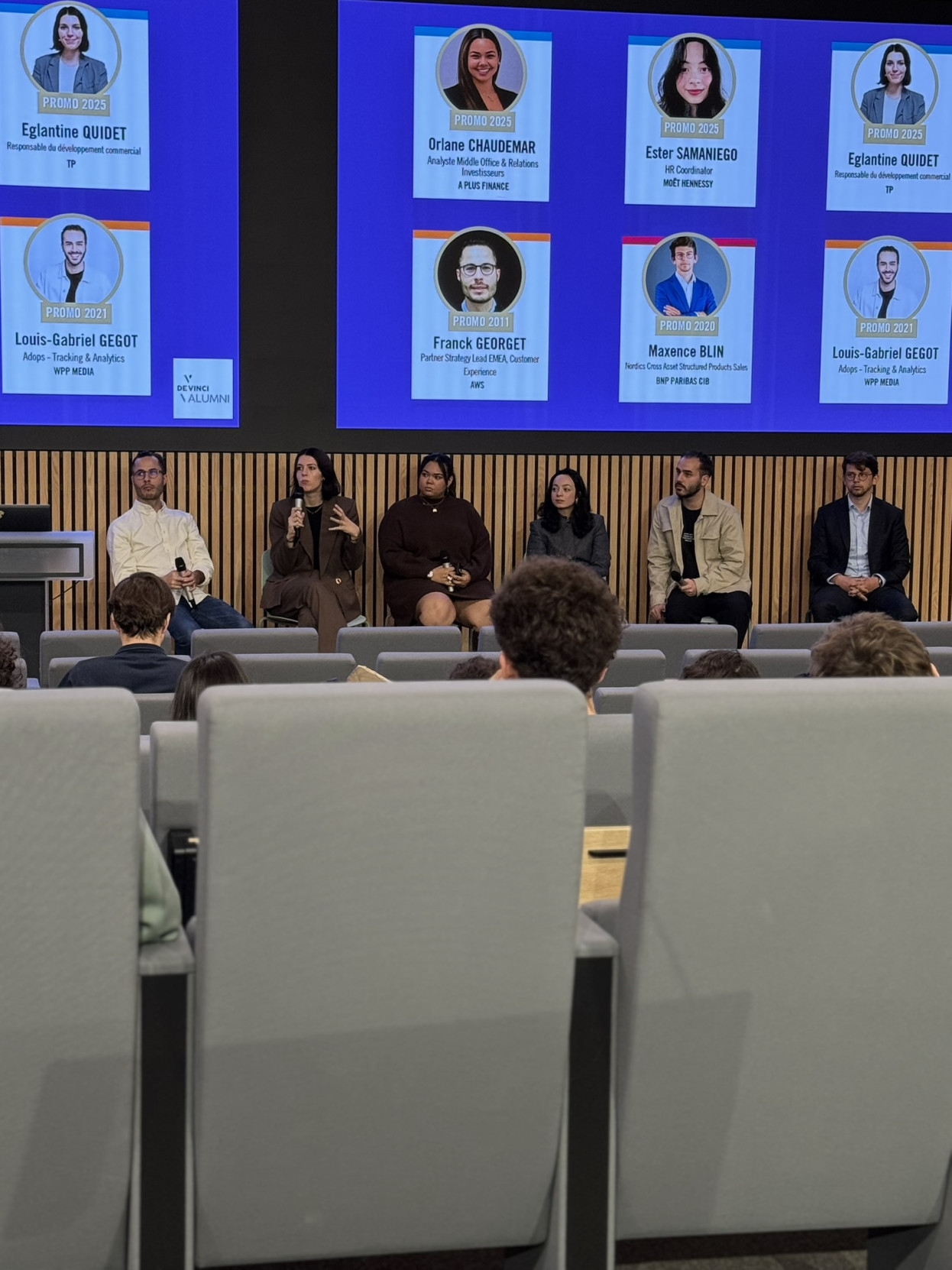
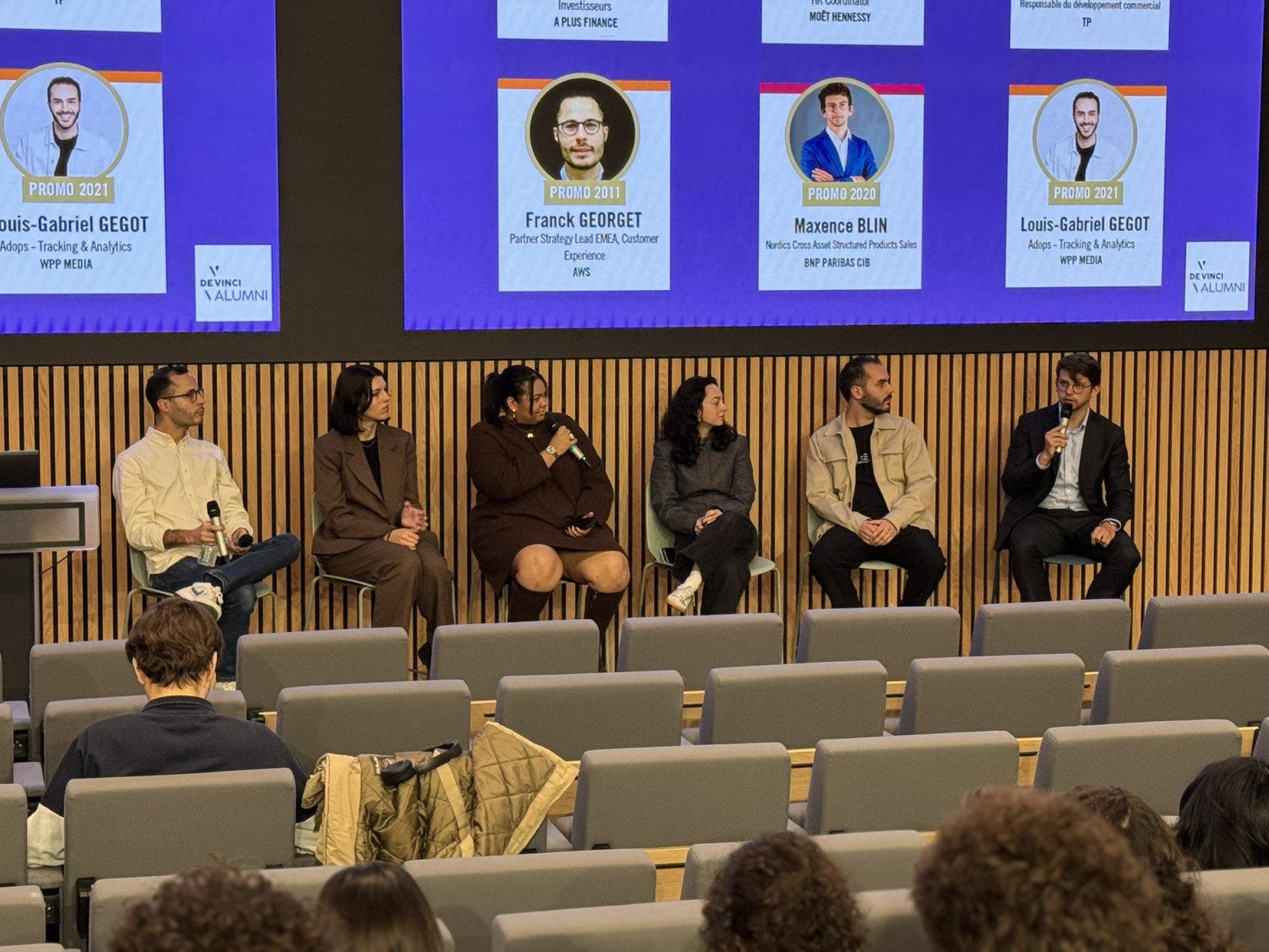
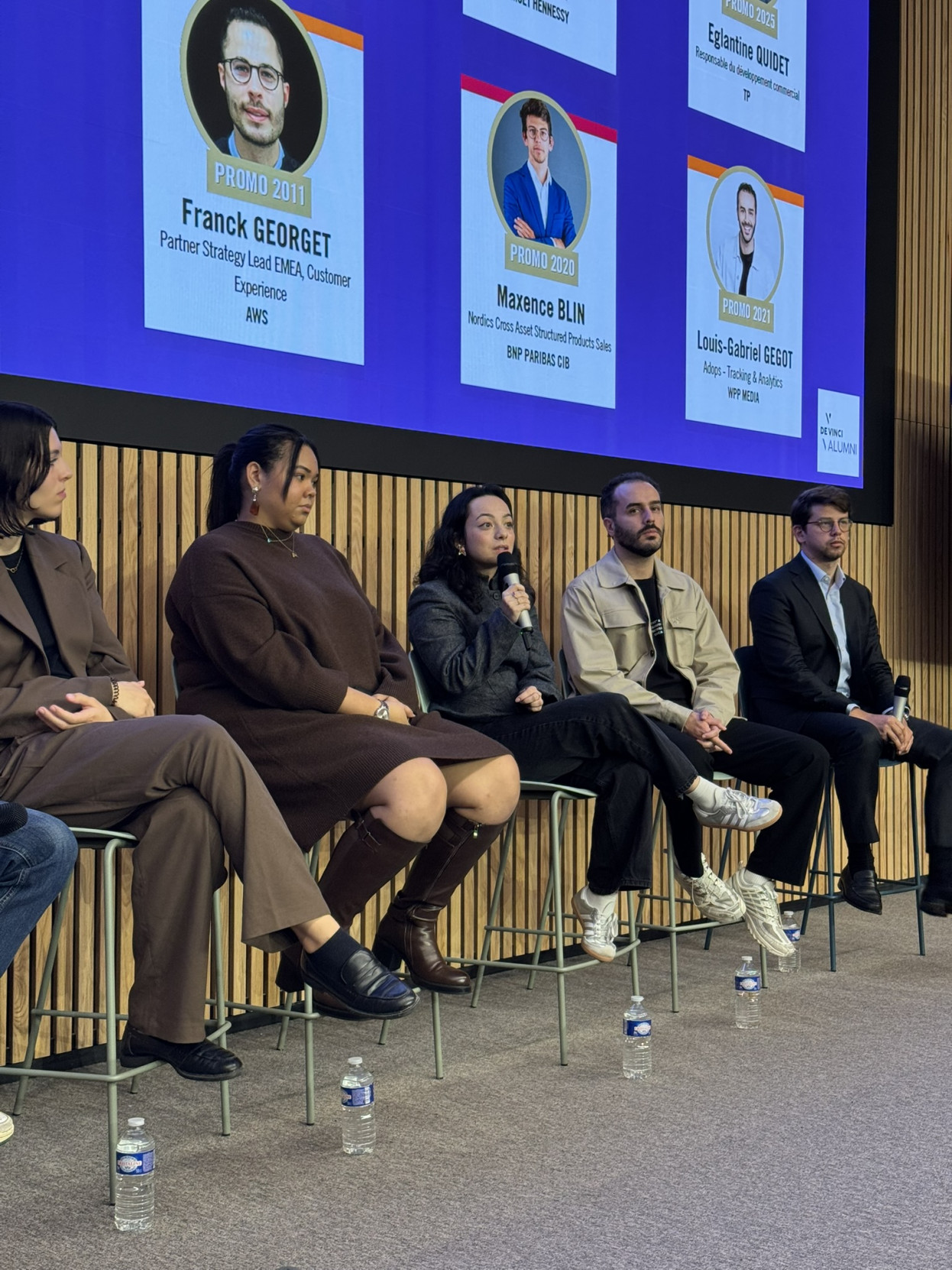
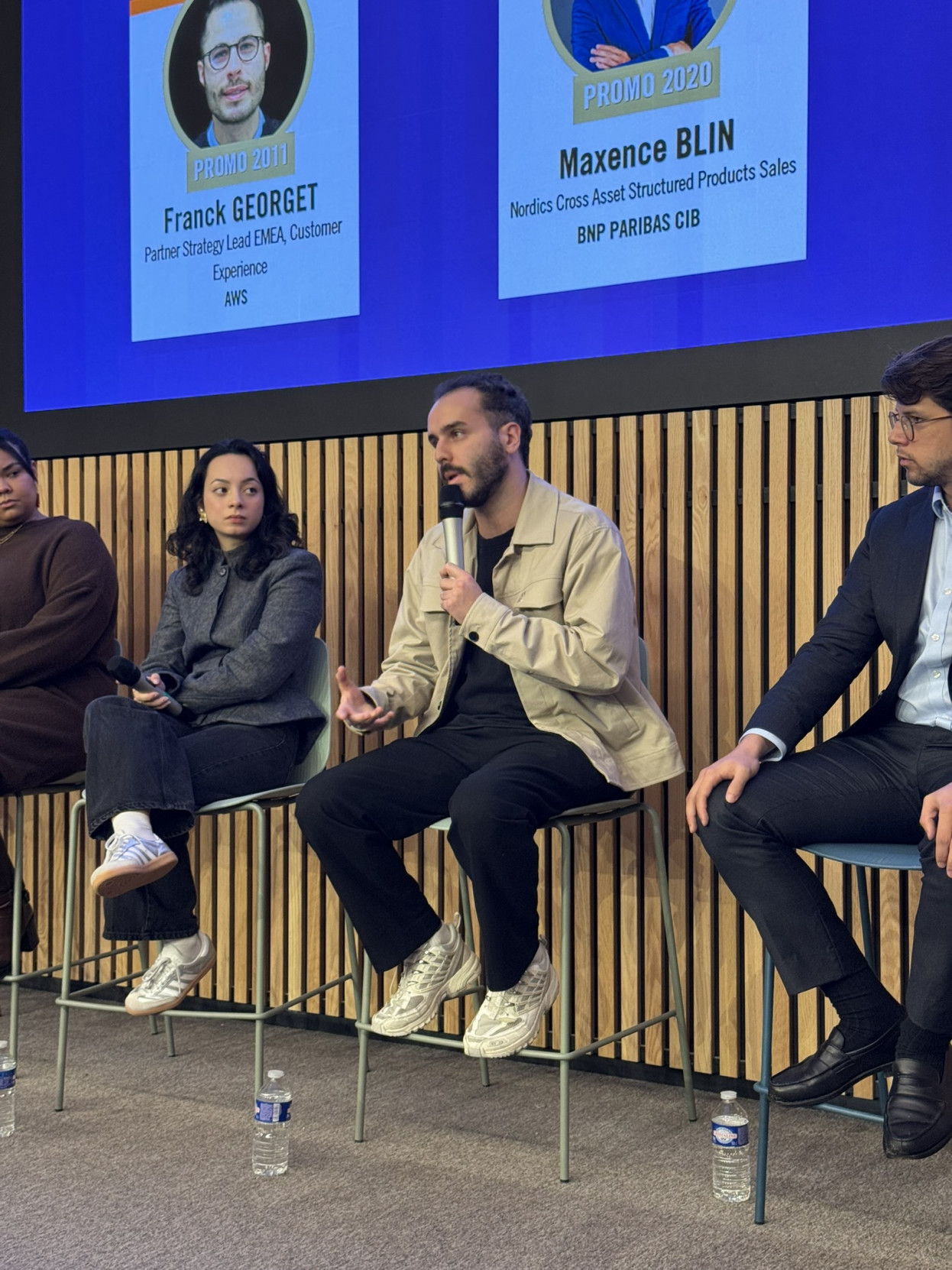
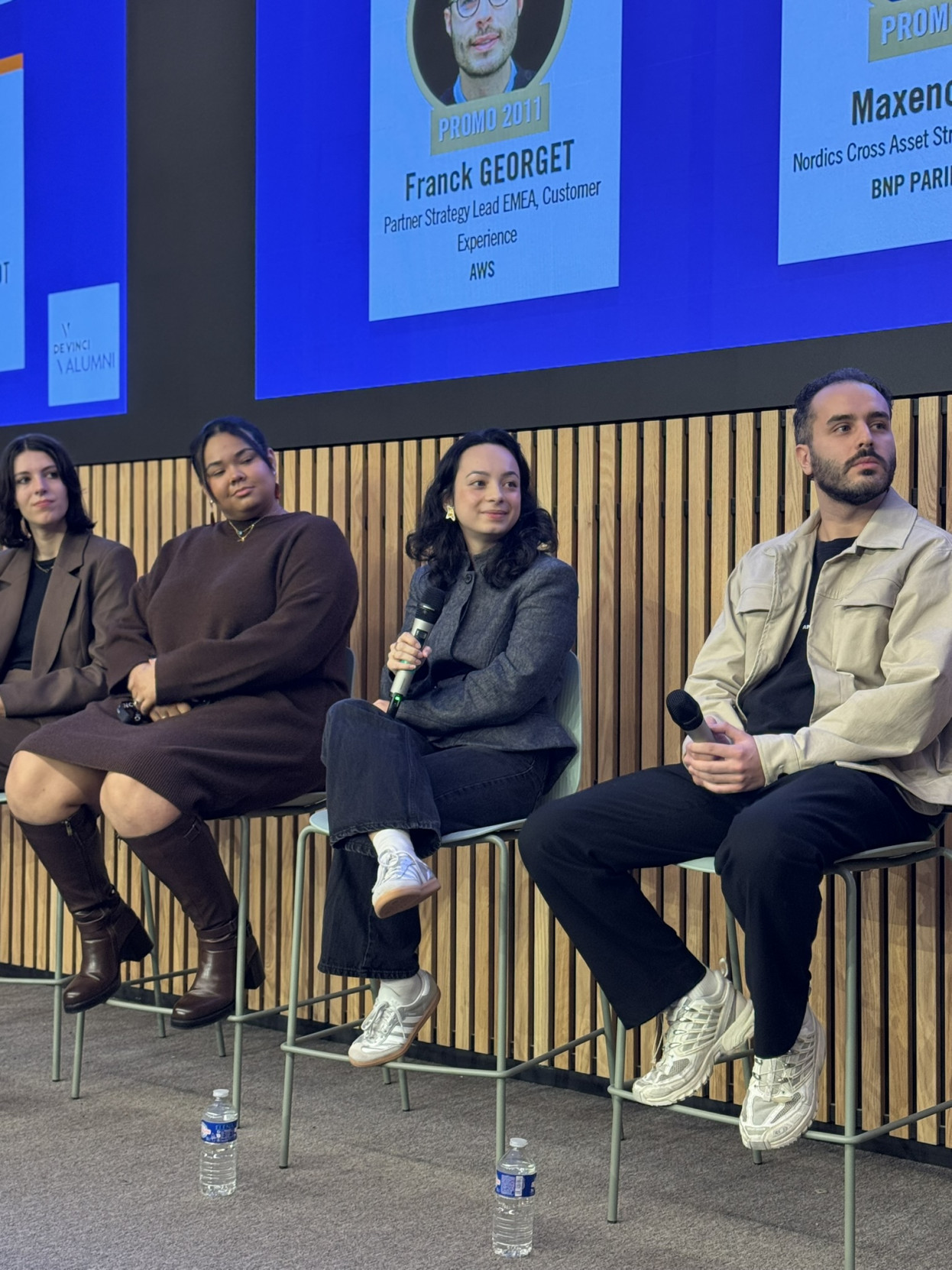
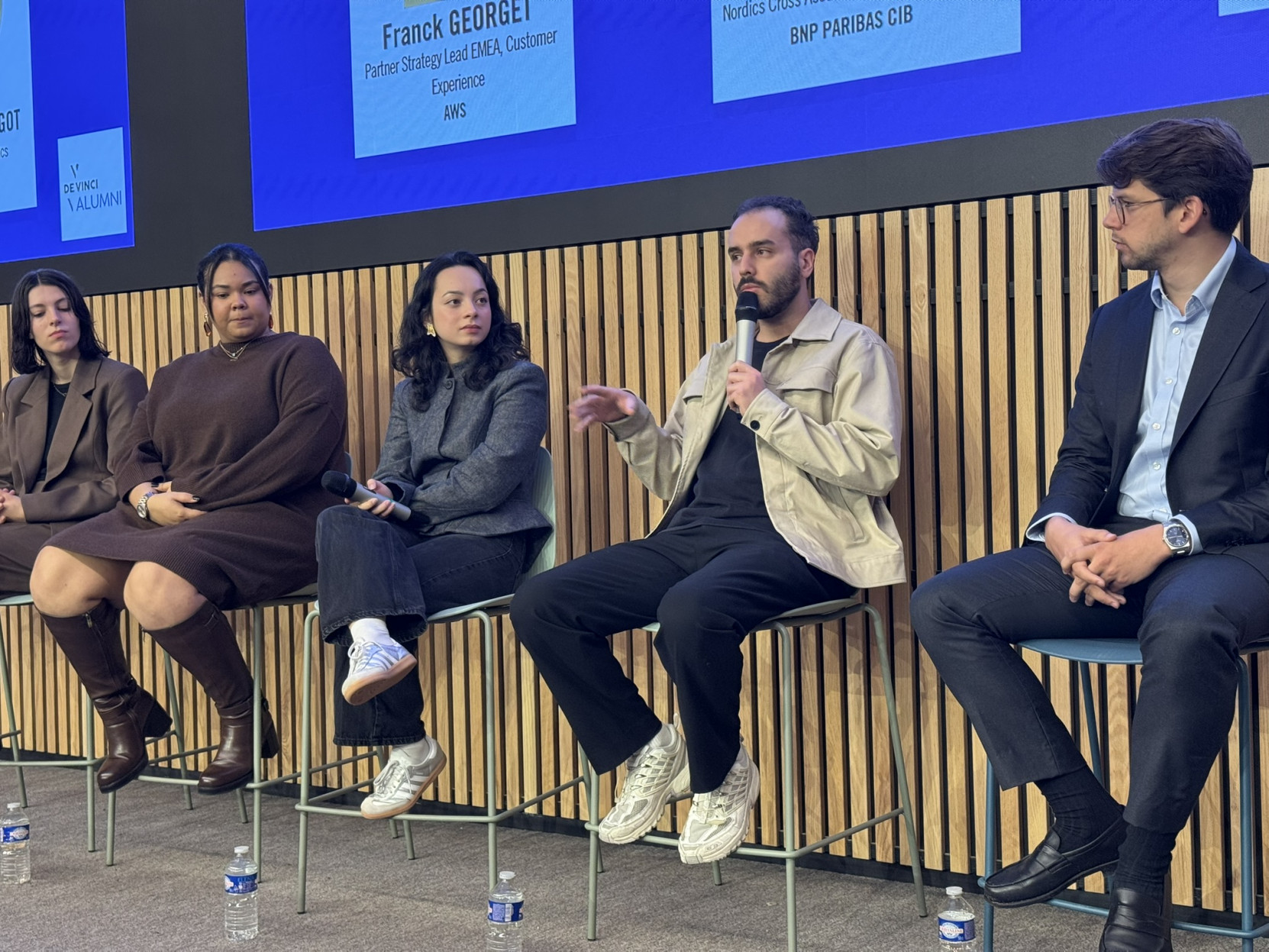
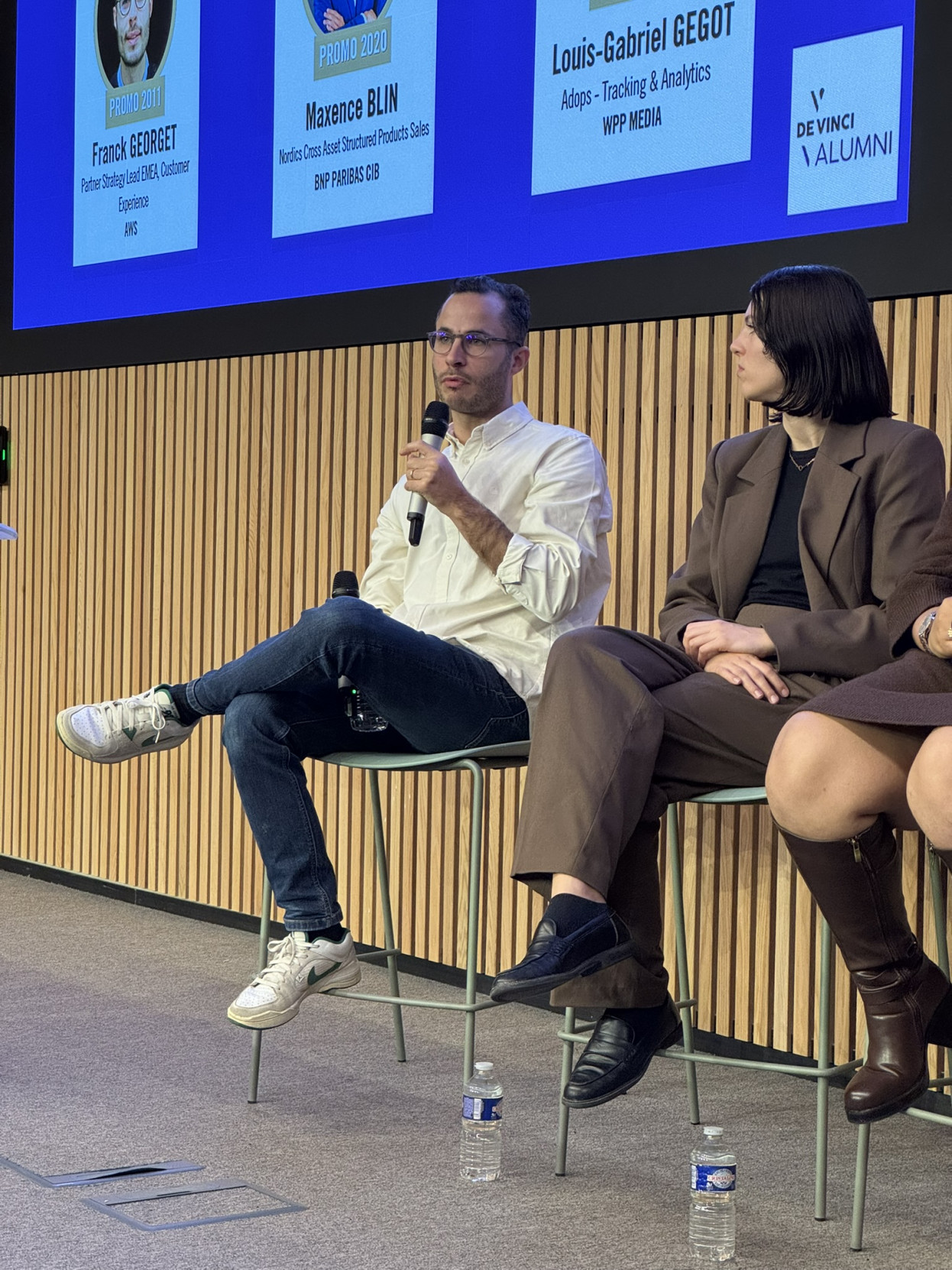
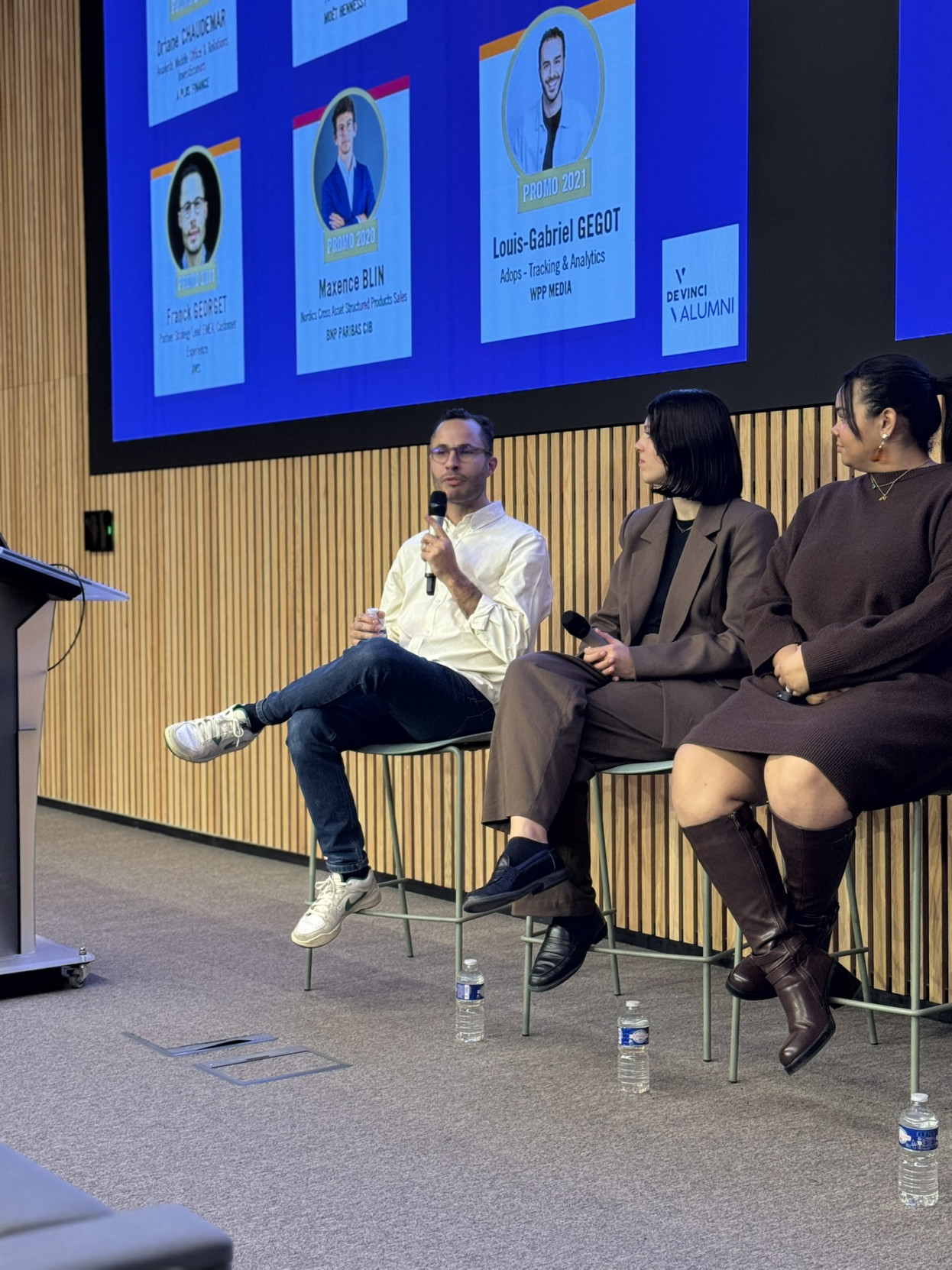
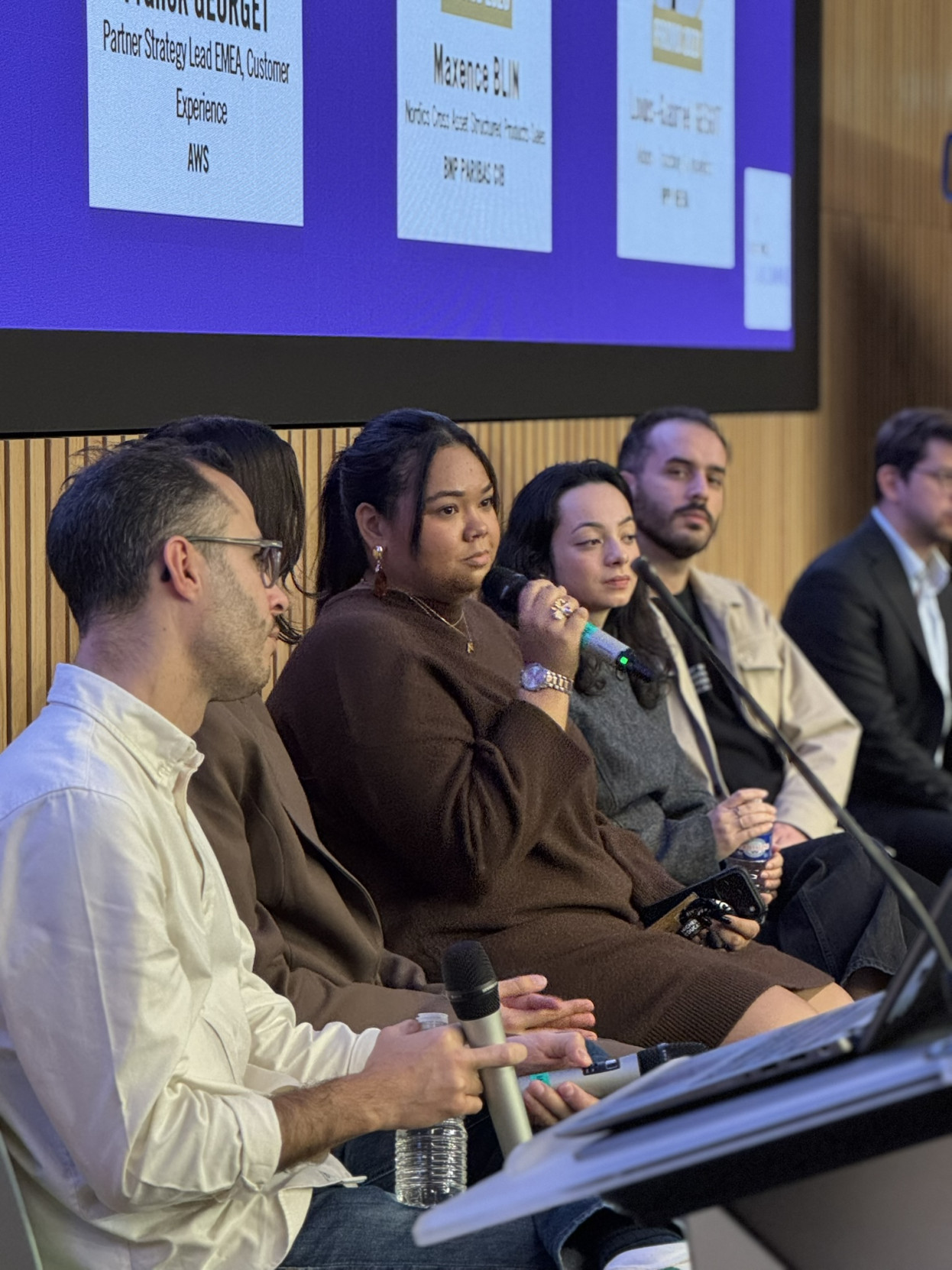
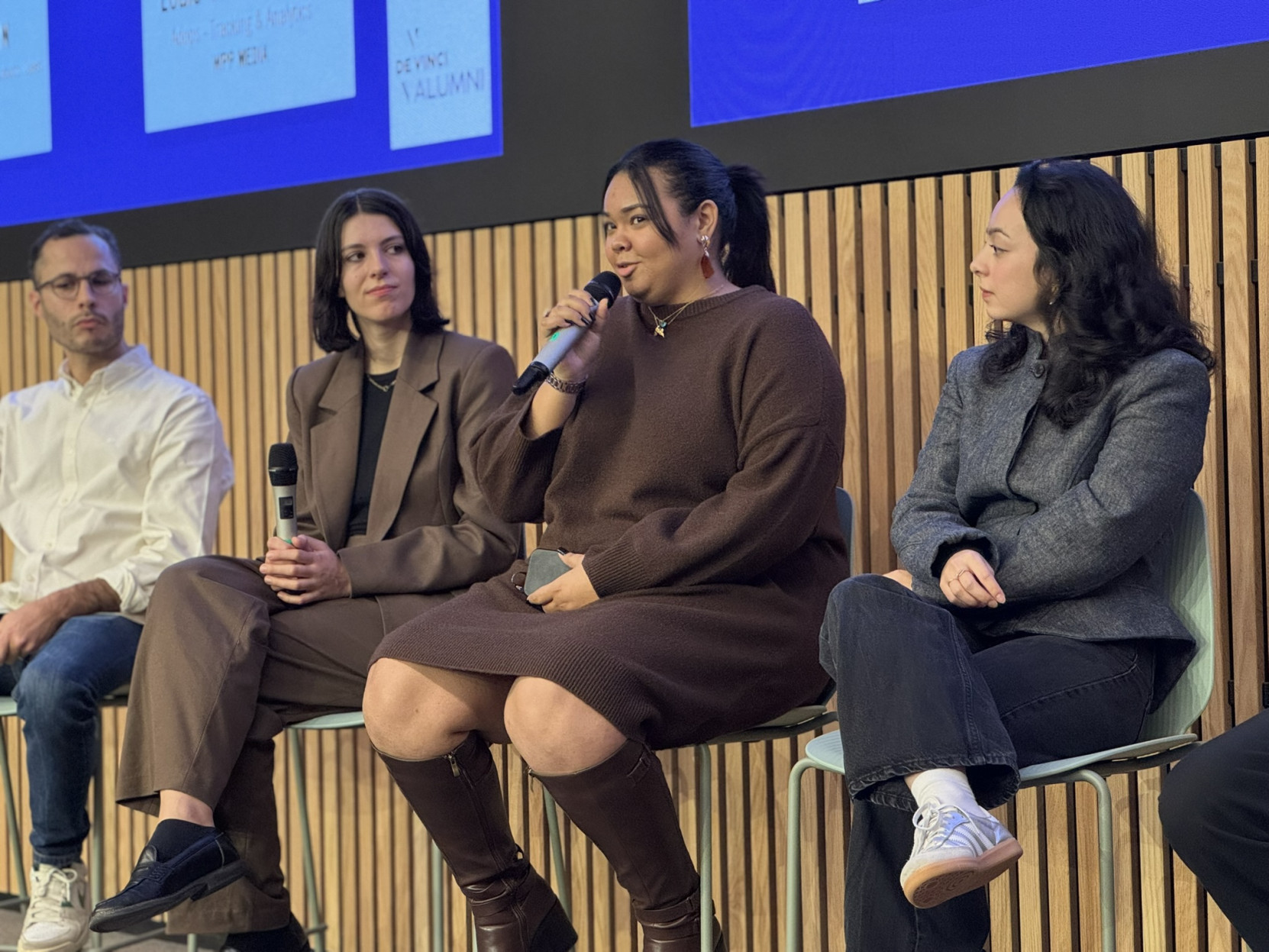
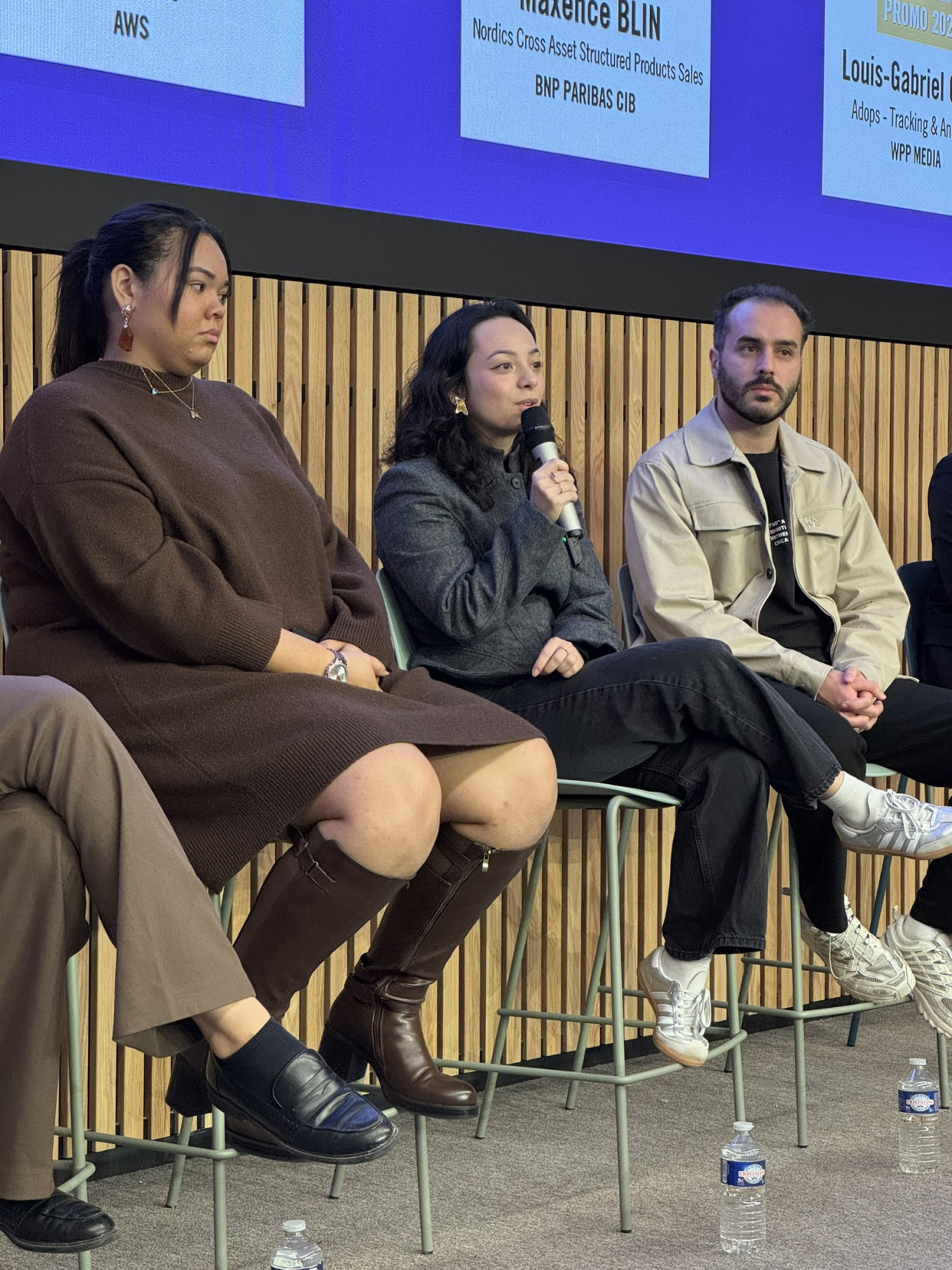
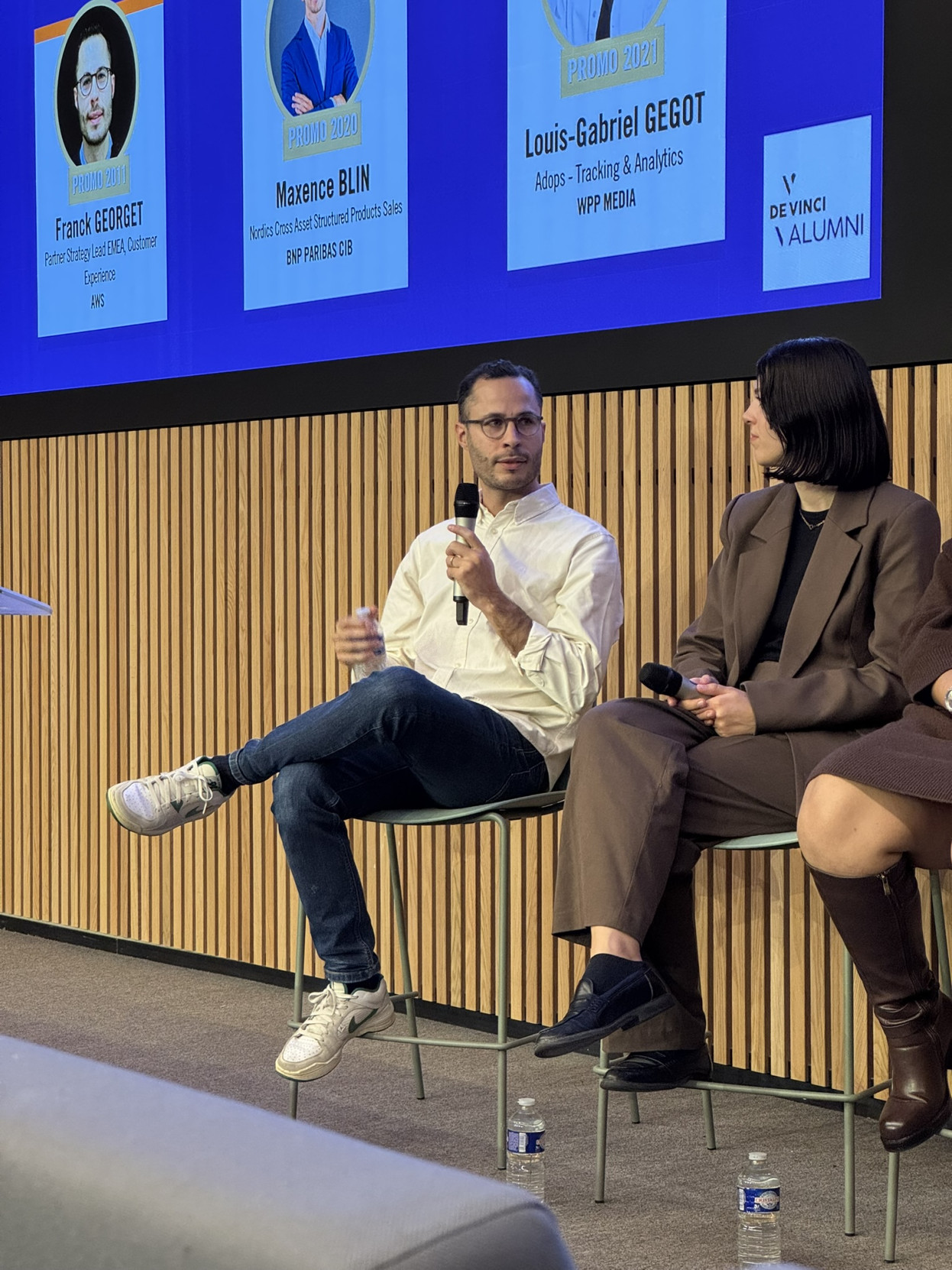
On Tuesday, November 17, second-year students had the opportunity to speak with six alumni from diverse backgrounds who are now working in Madrid, Brussels, Luxembourg, Geneva, Lisbon, and London. The event was organized by the Alumni Office as part of the International Fair to highlight the experiences of graduates and offer some advice to those who are considering moving abroad themselves.
Daring to Take the Plunge: An Experience That Helps You Grow
If there’s one message on which all six speakers agree, it’s this: don’t be afraid to take the plunge.
For Églantine Quidet (EMLV 2025), now Head of Business Development—Insurance at TP Group, her experience in Madrid allowed her to discover a new professional environment and quickly gain independence. Her advice to students is straightforward: “Don’t be afraid to go far away. You’ll learn really fast, and you’ll never regret it.”

This view is shared by Orlane Chaudemar (EMLV 2025), an Investor Relations Analyst at A Plus Finance, who has particularly vivid memories of her internship year in London—a period during which she truly discovered the finance sector. Her experience in Luxembourg then built on that discovery, in an environment where there are many interns and VIE participants.

For Maxence Blin (ESILV 2020), who now works in Nordics Cross Asset Structured Products Sales at BNP Paribas CIB, moving abroad was also a defining experience. After his first internship in Padua, he completed a two-year VIE program in Lisbon. He enjoyed the city so much that he chose to stay there for an additional year. He highly recommends this program, which allows participants to take on more responsibility and experience a different professional environment.

Beyond the skills acquired, Franck Georget (IIM 2011), Partner Strategy Lead EMEA, Customer Experience at Amazon Web Services (AWS), points out that the value of an international experience also lies in discovering different ways of working. “Skills can be learned anywhere. Know-how, however, depends on the location.” Going abroad, therefore, means learning to work differently and then being able to apply these new practices as you move forward in your career.

And the benefits aren't limited to the professional sphere: discovering another culture, meeting new people, and adapting to a new environment are all learning experiences that last long after you return home.
Finding an Internship: Plan Ahead, Explore, and Tap Into Your Network
While going abroad can be a particularly enriching experience, you still need to find the right opportunity to get started. And on this point, alumni are unanimous: the search should begin early and shouldn’t be limited to traditional applications.
Églantine advises, in particular, not to wait for opportunities to come to you. Since unsolicited applications didn’t always pay off in her case, she recommends conducting thorough research on LinkedIn: identifying companies that interest you, finding the professionals who work there, and reaching out to them directly.
Orlane shares this approach: check career sites, contact professionals—even if you’re not sure you’ll get a response—and submit as many applications as possible. She also encourages students not to rule out an opportunity simply because they don’t meet all the listed criteria, as long as the position aligns with their field of study.
For Franck, this process also requires a certain degree of structure. He advises defining a search framework, gaining a better understanding of how the targeted companies operate, and identifying the right contacts. At Amazon Web Services (AWS), he estimates that nearly 70% of hires are made through referrals—a figure that illustrates the importance of networking in certain companies.
The alumni network is precisely a good place to start. Talking with an alumnus who works in your target industry or country helps you better understand the realities on the ground, get advice, and sometimes even secure a recommendation. Églantine points out, however, that these conversations don’t guarantee a job offer: they can still provide valuable advice and help you better focus your efforts.
Maxence also recommends reaching out to former students, as well as to people in your personal circle. His advice: don’t wait until your senior year to start building your network.
An internship doesn’t define an entire career
Another lesson from this meeting: a first professional experience doesn’t necessarily determine the rest of one’s career path.
Ester Samaniego (EMLV 2025), now an HR Coordinator at LVMH Moët Hennessy, learned this firsthand. After an internship in human resources, she chose to pursue a career in that field—a path she hadn’t necessarily considered at first, but one that allowed her to discover a field in which she has thrived.

Her message to students is encouraging: an internship doesn’t pigeonhole you. It also lets you try out a career, better identify your aspirations, and sometimes discover a path you hadn’t considered.
She also emphasizes that recruiters aren’t just looking for technical skills in an intern. Involvement in community organizations, personal projects, and experiences outside of class help develop many transferable skills. The ability to work in a team, take initiative, organize a project, or communicate are all assets worth highlighting.
For Maxence, however, this openness must be accompanied by some thought about how to shape one’s career path. In certain sectors, particularly finance, it can be helpful to identify the roles you wish to pursue early on and seek out experiences that gradually bring you closer to them.
Preparing for Your Departure: Practical Advice from Alumni
Beyond finding an internship or a VIE, moving abroad also involves preparing to settle in and adapting to the unique aspects of your host country.
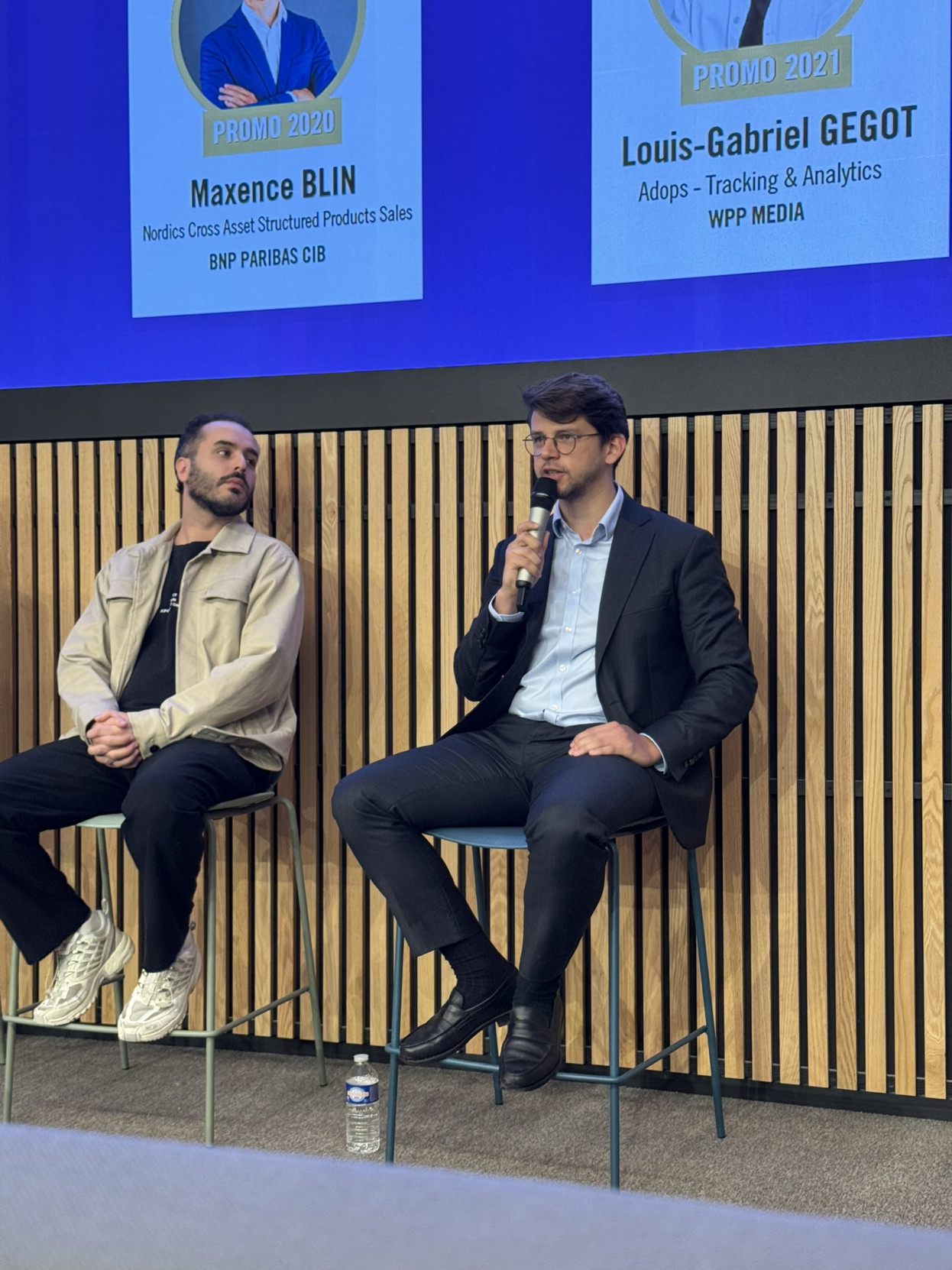
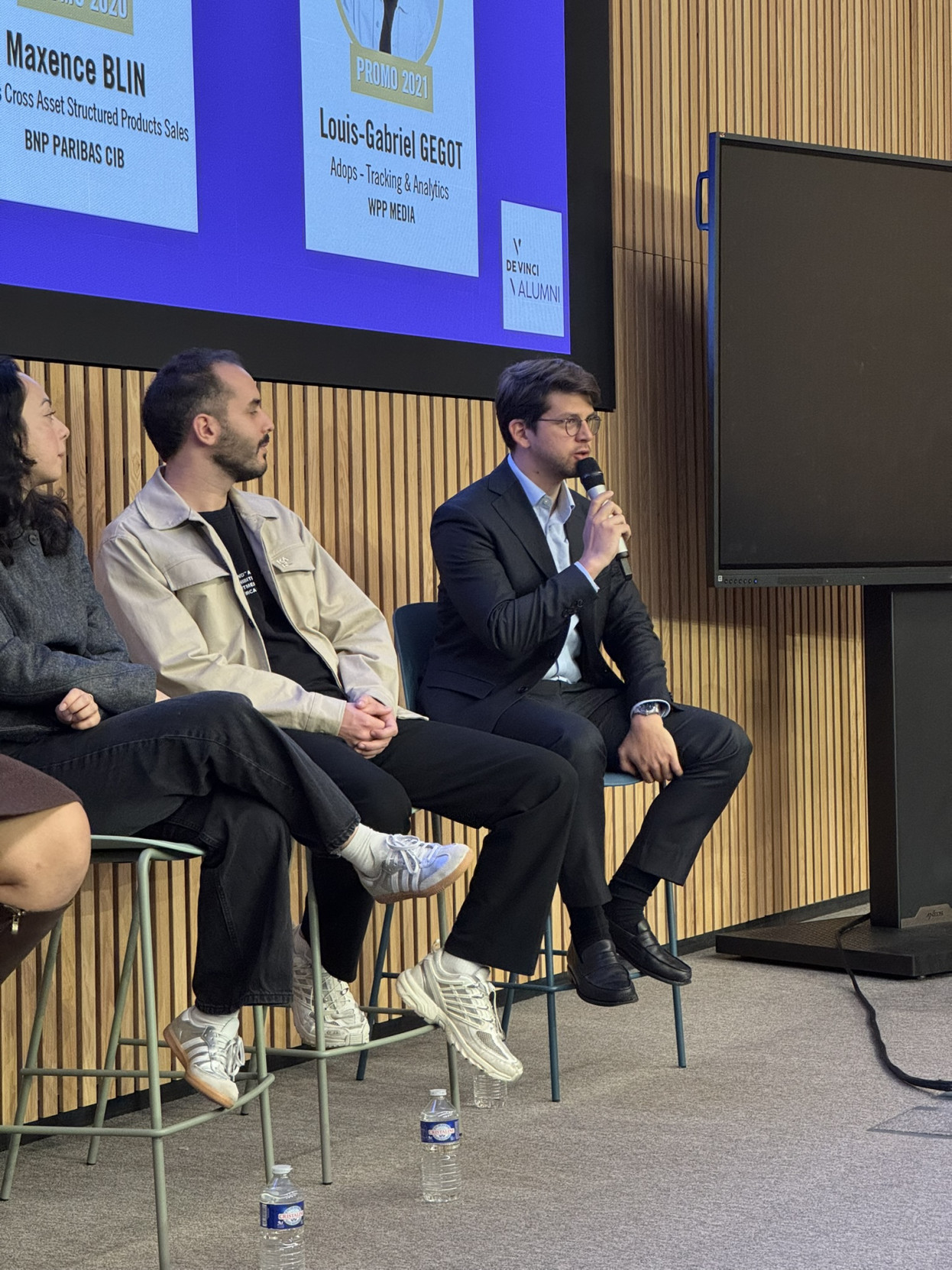
Louis-Gabriel Gegot (IIM 2021), now an AdTech & Measurement Specialist at WWP Media, who completed a VIE in Geneva, reflects on an experience he highly recommends. He particularly highlights the support offered through this program and the simplicity of the administrative procedures. He advises, however, that you familiarize yourself in advance with local customs, particularly the specific characteristics of the cantons and linguistic norms. This approach will be appreciated by your local contacts.

The issue of housing was also discussed. In both Geneva and London, Facebook groups dedicated to expats and French communities can be a useful resource for finding a roommate or accessing listings that aren’t always posted on traditional platforms. Louis-Gabriel specifically recommends, whenever possible, sharing a rental with locals to facilitate immersion.
Finally, Ester emphasized the importance of the quality of interaction during an interview or when making professional contacts. While artificial intelligence tools can help prepare job applications, they are no substitute for a genuine conversation. For her, authenticity and the ability to engage in a natural conversation can make all the difference.
Trust Yourself and Seize Opportunities
Finally, the six alumni offered one final piece of advice to the students: don’t get discouraged by rejections, and don’t view every application as a missed opportunity.
Searching for an international internship requires perseverance, organization, and sometimes stepping outside your comfort zone. Not all plans come to fruition, not all destinations are immediately accessible, and some journeys take unexpected turns.
But that’s also what makes these experiences so enriching. An internship can pave the way for a new direction, a VIE program can inspire you to extend your stay, and a chance encounter can lead to a professional opportunity.
The best time to start preparing for your departure? Right now. And the best advice to remember? Dare to take the plunge—without waiting for everything to fall into place.

Image gallery20



Comments0
Please log in to see or add a comment
Suggested Articles